Volume 1, No. 1Chimica nella Scuola n. 1 2026
Full Issue
Editoriale
Percorsi laboratoriali per la Scuola Secondaria di secondo grado
-
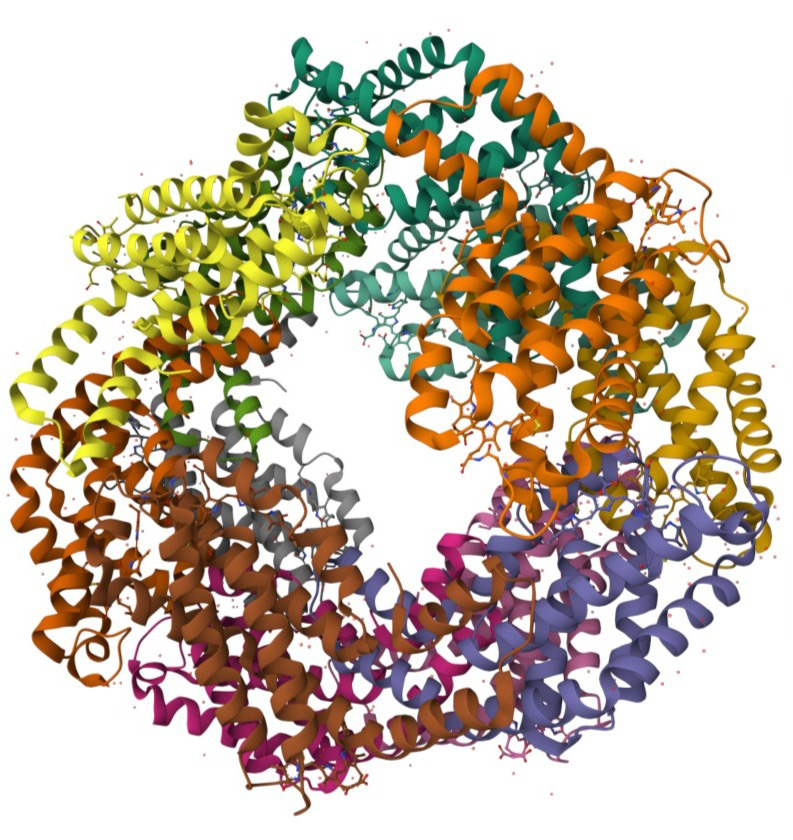
Estrazione e studio della ficocianina da Spirulina platensis:un’esperienza di didattica laboratoriale
Phycocyanin, extracted from the cyanobacterium Spirulina platensis, is a phycobiliprotein pigment known for its antioxidant properties and for its use as a natural colorant in the nutraceutical and cosmetic fields. This work describes an experimental pathway carried out by students of a technical institute with a specialization in “Chemistry and Materials,” aimed at studying the characteristics of cyanobacteria and the stages of extraction, purification, and characterization of phycocyanin, as well as the investigation of its denaturation induced by chemical agents. The experience provided students with a comprehensive educational pathway, promoting active learning and problem-solving skills, and promoting the development of competencies in autonomous management of experimental work, critical interpretation of data, and understanding of the relationship between protein structure, stability, and function.
Transizione ecologica
-
-
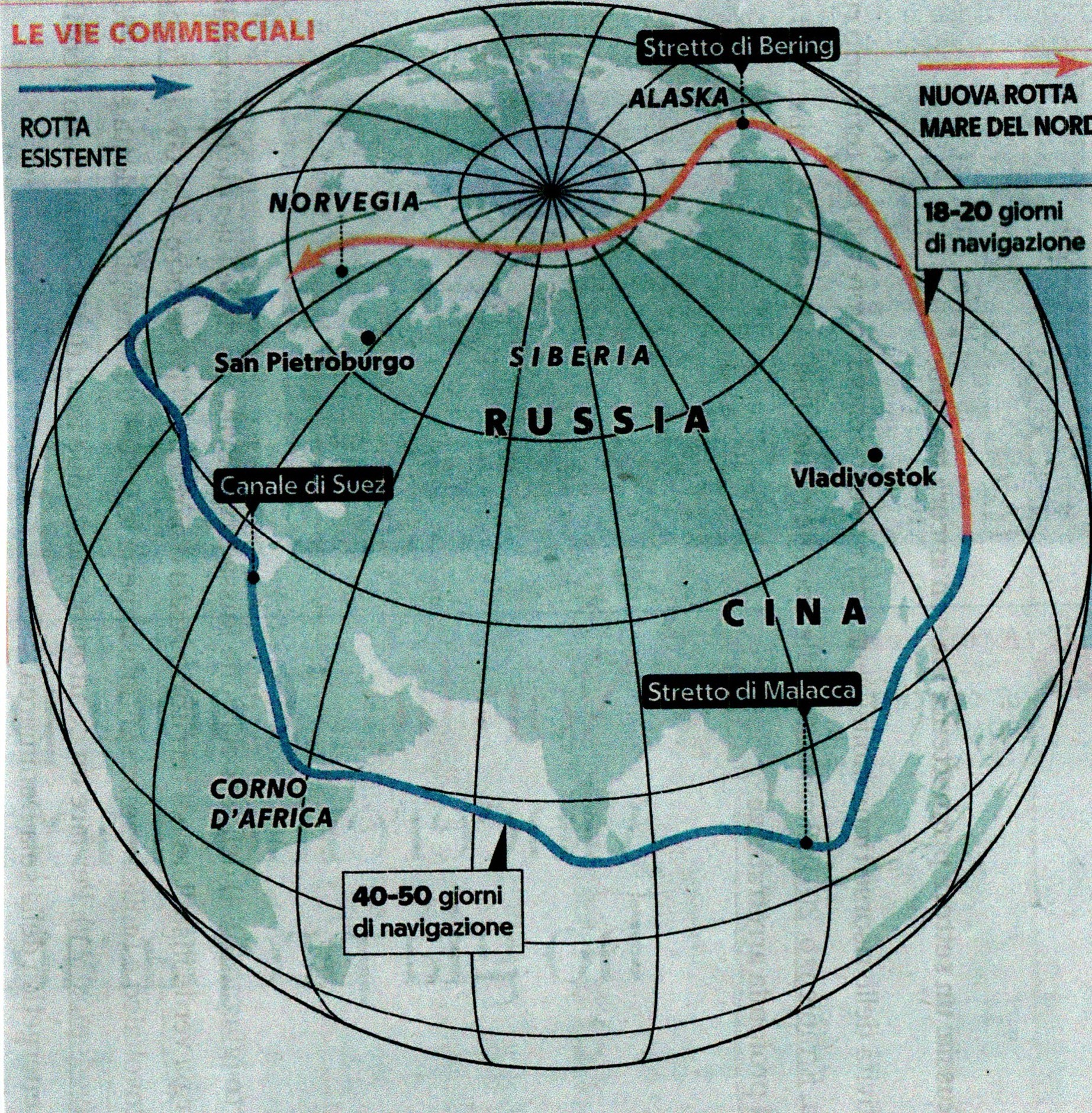
La transizione ecologica è a rischio?
The article examines the state of climate commitments made by the world’s leading countries, particularly Italy. It then examines the very disappointing results of COP30, held in Belém in November 2025. In conclusion, it notes that the state of the ecological transition regarding the control of global warming remains worrying.
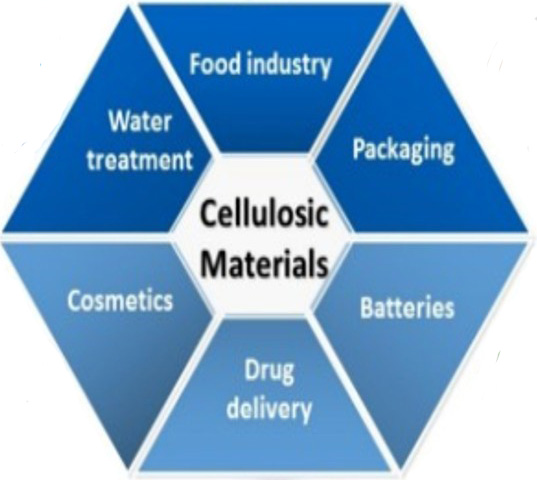
Sfide e problemi della nostra società
-

Intelligenza artificiale: vantaggi, opportunità, rischi
Artificial intelligence has become a central subject of study and global debate. Based on an extensive literature review and Brookings Institution reports, this article outlines the benefits and risks of AI, especially regarding its unguided use by young people outside the framework of traditional education and social norms.
Dare voce agli studenti e ai giovani
-
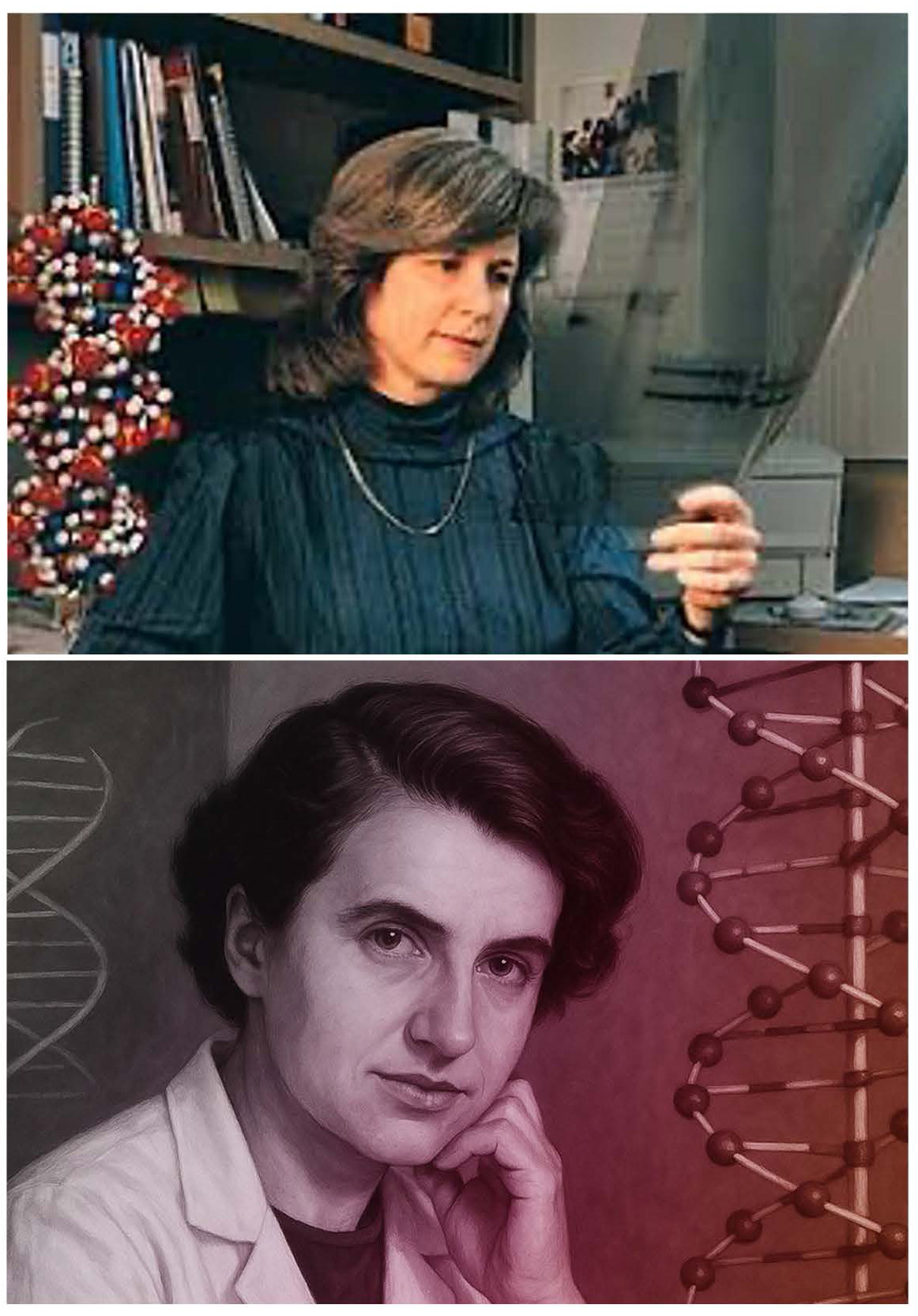
Carcinoma mammario: tra prevenzione e ricerca
Imagine a woman touching her breast and discovering a small lump. Behind that simple gesture, there is a world of science, prevention and courage. Breast cancer is the most commonly diagnosed cancer in women worldwide. Addressing risk factors, such as obesity, and adopting a healthy lifestyle are key strategies to prevent this disease. Epidemiological studies have shown that obesity significantly increases the modifiable risk of developing breast cancer, particularly after menopause, when adipose tissue becomes a real source of estrogen, which promotes the development of some forms of cancer. But this story must also be linked to the hard work of women scientists who, defying all barriers and prejudices, have given great help to research and treatment. They have demonstrated that being a woman and a scientist is not an exception, but a valuable force for progress. This article aims to offer a reflection on researchers who have dedicated themselves to ambitious projects channelling their passion at the service of science and women’s health and well-being.
Keywords
-
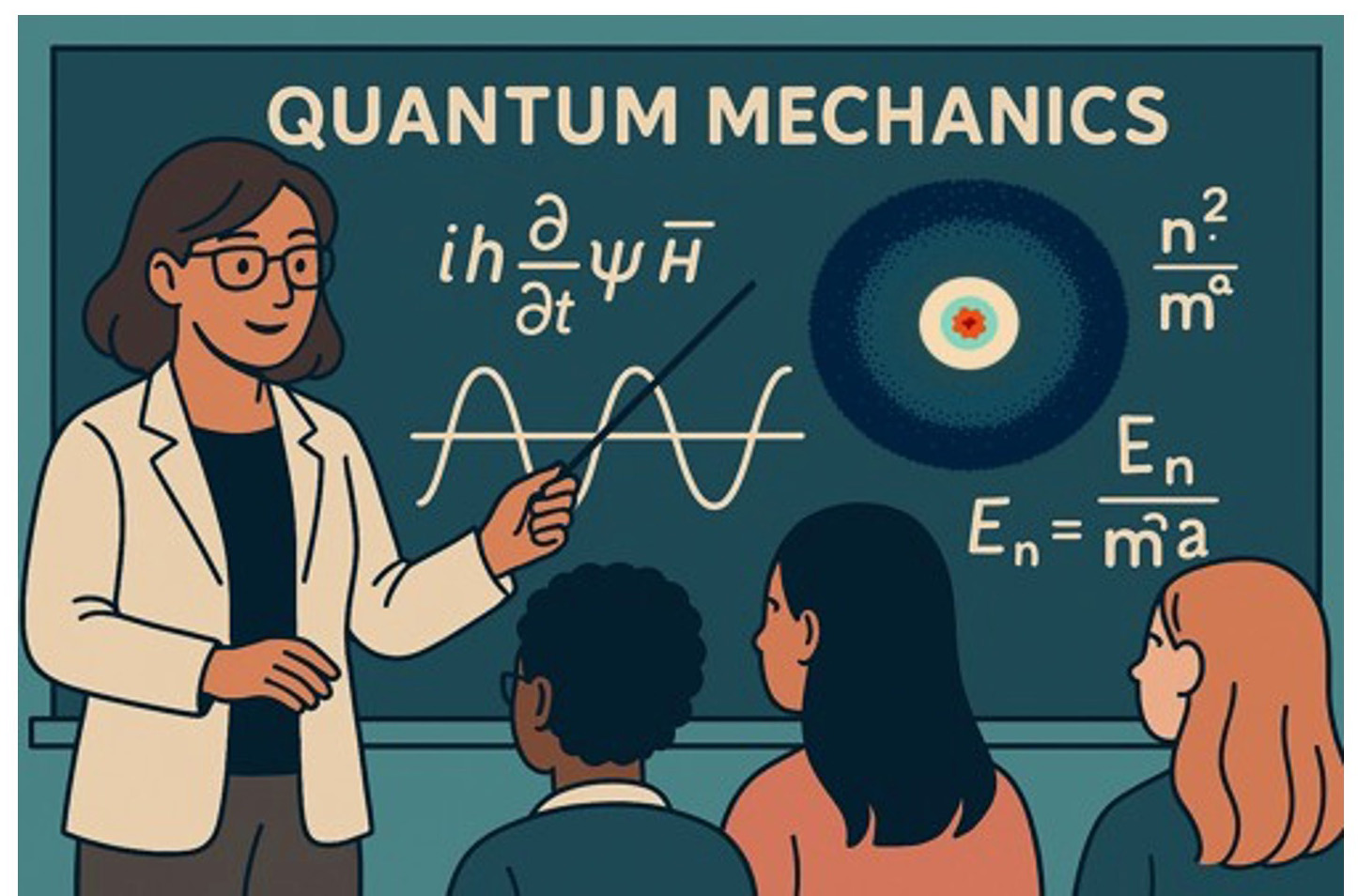
I cent’anni della Meccanica Quantistica
The United Nations General Assembly has designated 2025 as the “International Year of Quantum Science and Technology”. Quantum science, in fact, provides the foundation for basic research and the interpretation of the atomic/molecular world, and its beginning can be dated back to the works of Heisenberg and Pauli in 1925. The study of the molecular world, however, did not begin that year. Nineteenth-century chemists, in fact, developed useful concepts in this world and connected them to the macroscopic properties of chemical substances. In this educational paper, we intend to discuss the conceptual aspects and “open issues” of the relationship between quantum mechanics and the historical concepts of chemistry. Although this physical theory represented a revolutionary change in the study of the atomic/molecular world, it still struggles to gain traction in the educational and general/cultural contexts, both for “objective” reasons and due to the current lack of attention to the analysis of the conceptual/philosophical problems of this theory and their educational treatment.