Volume 2, No. 2Chimica nella Scuola n. 2 2025
Full Issue
Editoriale
Per cominciare
-
Le donne della Tavola Periodica
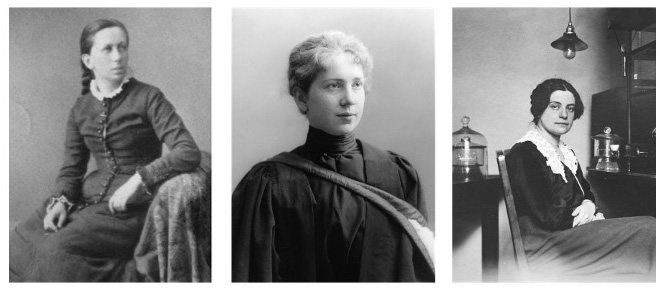
A topic related to the Periodic Table that is rarely addressed concerns its “female face”, that is, the contribution that women have made in adding new boxes to accommodate new elements. Marie Curie, who discovered radium and polonium, is certainly known to everyone, but the list is long and includes female scientists of great value, often forgotten. Some of them are remembered in this article.
-

Riflessioni sulla ricerca didattica della Chimica: l’esempio del percorso sulla combustione nella scuola primaria
Taking the topic of combustion as an example, this contribution discusses the fundamental role of critical reflection on didactic experimentation, an aspect that is highly emphasized in terms of principles, but little analyzed and explored in its essential specific functions.
Sostenibilità e responsabilità didattica
-
Inclusione attraverso le discipline: il caso della Chimica
In recent years, schools have become familiar with acronyms that categorise the case history of disadvantage. Without detracting from the recognition that certain functional characteristics of individuals exert on learning, one observes an excessive categorisation of forms of hardship that proves paralysing for the educational action of curricular teachers. A dangerous drift of medicalisation of all forms of discomfort is noted, in view of an ideal state of well-being that in reality does not exist. In fact, there is instead a continuum between so-called “normality” and the most serious forms of malaise. The impression is that the concept of inclusion, which should characterise everyday schooling, is fragmenting into bureaucratic classifications followed by pedagogical interventions entrusted to non-experts in the discipline.
-
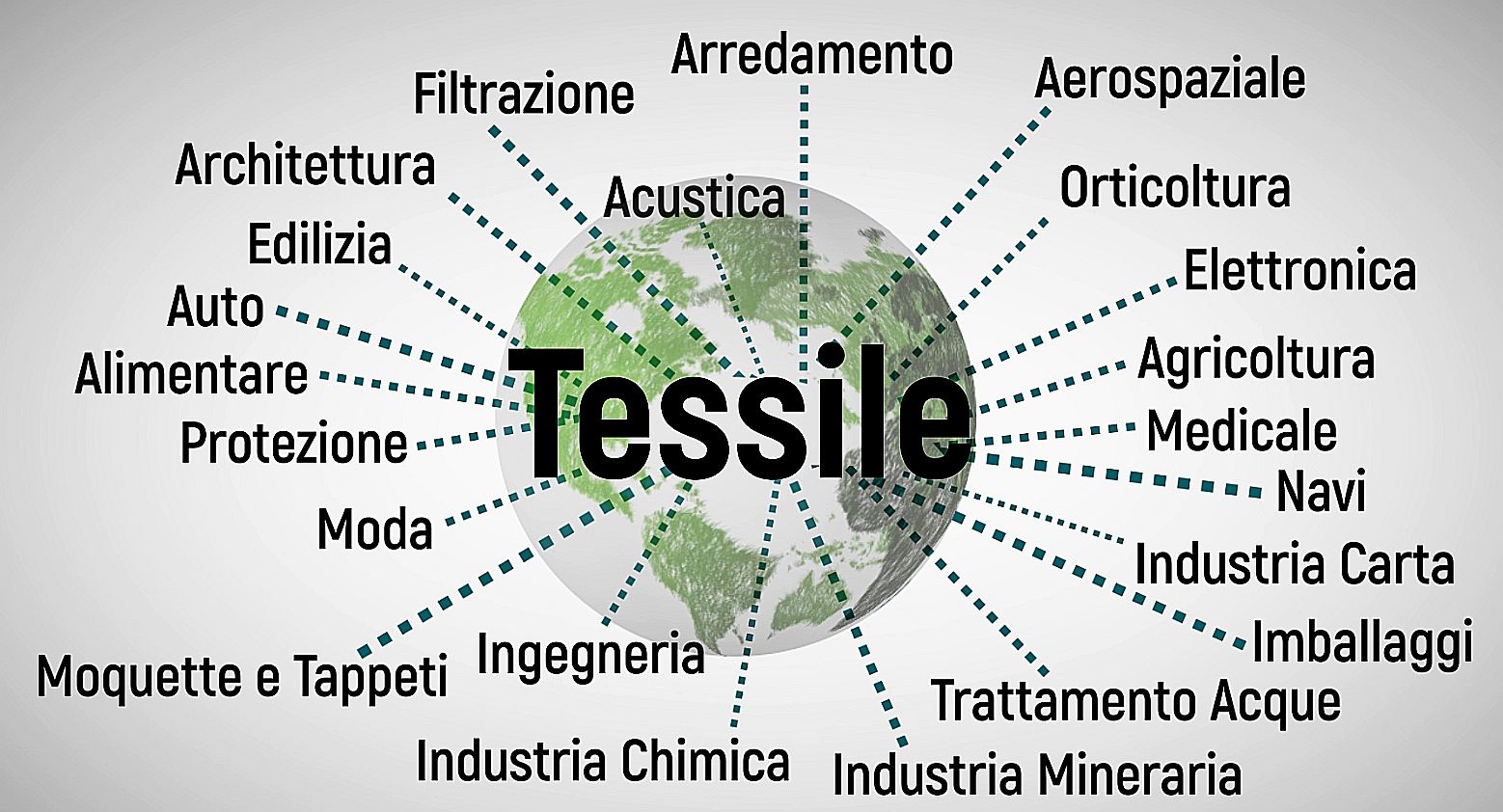
Ten Fashionable Years – Keeping Dyeing Chemistry from Dying
Ten years have passed since the first classes graduated from Italian secondary schools, after the global reform of 2010. A brand new curriculum was introduced, oddly called “Sistema Moda - Tessile Abbigliamento e Moda”, where the former curricula in finishing and in weaving technologies are merged with other disciplines, to prepare a new kind of skilled and open minded textile technician, ready for the always changing issues of sustainable manufacturing. The article describes some significative experiences at the historical “Setificio” Institute of Como, also reflecting on some criticalities.
Storia ed epistemologia
-
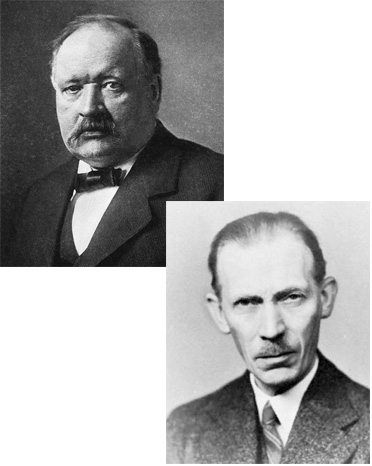
Acidi e basi da Arrhenius a Brønsted: una vicenda con molti protagonisti
Between the two definitions of acids and bases proposed by S. Arrhenius (1887) and J.N. Brønsted (1923), several important chemists have concentrated their interest and efforts to analyze other relevant properties of these classes of compounds. This work aims to illustrate in particular the role of R. Abegg, P. Pfeiffer, A. Werner and L. Michaelis in the development of a more inclusive definition.
-
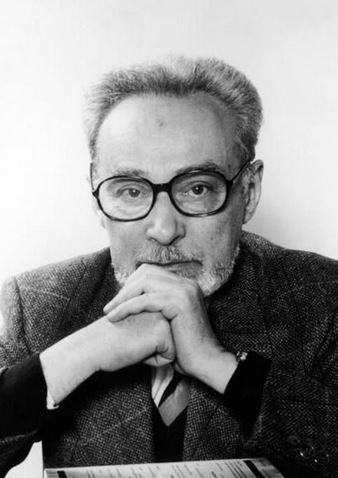
La Chimica delle Macromolecole e la Complessità nei racconti di Primo Levi: La chiave a stella
Primo Levi (1919-1987) was a macromolecular chemist and a famous writer. Director at SIVA (Società Italiana Vernici e Affini, 1953-1973), he worked for a long time and with passion on all the problems connected with the synthesis, production and use of paints based on thermoplastic and thermosetting polymers. His work as a chemist will represent an inexhaustible source of literary inspiration on the complexity of human and scientific problems. In this way, through stories and anecdotes, Levi lightly introduces in his writings, chemical arguments of great interest from education and epistemological point of view.
-
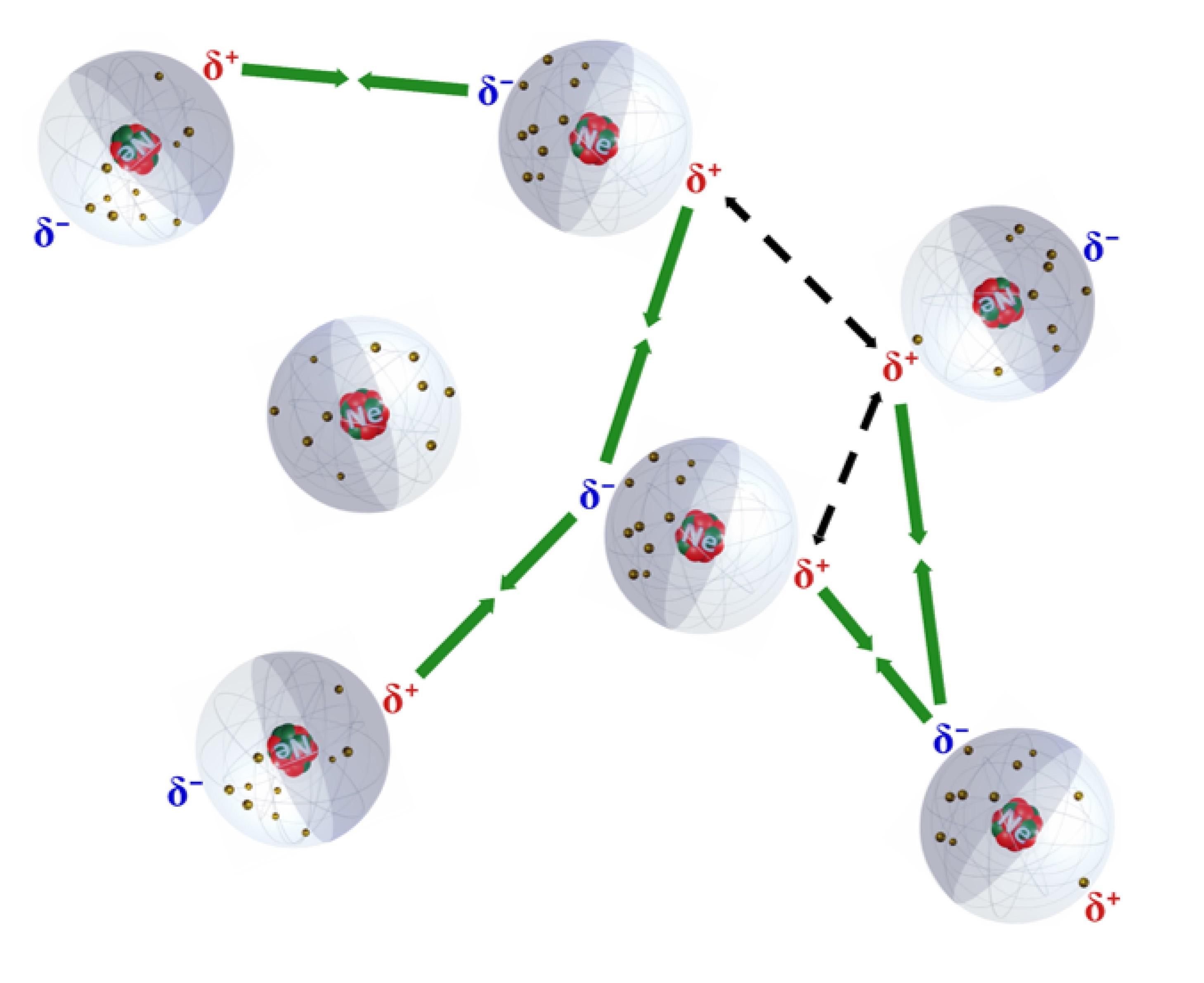
Progettazione e sperimentazione in classe di una sequenza didattica sui concetti di dipolo permanente e istantaneo
The intertwining of chemical epistemology and didactics may foster educational approaches capable to overcome conceptual problems in chemistry. We discuss some aspects of this relationship and present the theoretical framework adopted for designing a teaching sequence on intermolecular forces.
Nuove tecnologie
-
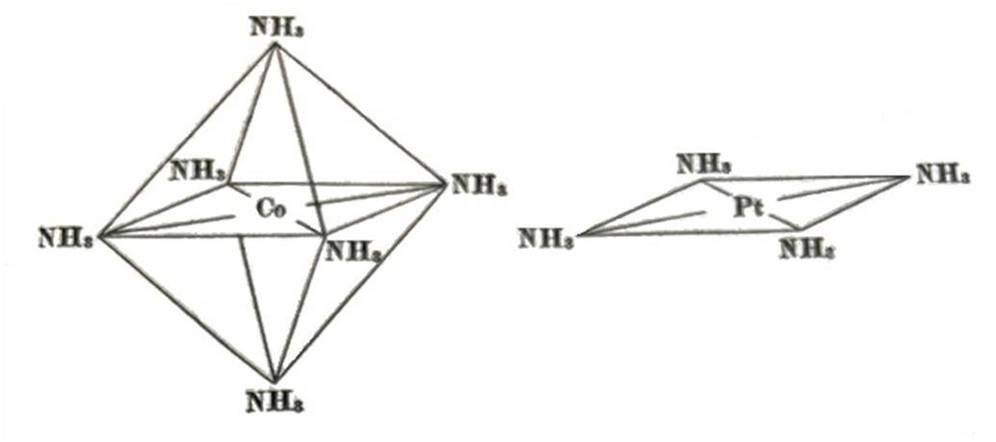
Strutture tridimensionali nei manuali di Chimica di fine Ottocento e inizio Novecento
Graphical representations of three-dimensional structures play a pivotal role in the field of chemistry education. Their correct interpretation is indeed essential for a full understanding of basic concepts that are central for both organic and inorganic chemistry. Students should have a deep knowledge of the correct meaning of the symbolic representations that appear in school and university manuals in order to avoid misunderstandings and a meaningless learning of the discipline. The aim of the present work is to analyse two important historical examples: the three-dimensional representations of tetrahedral carbon, proposed by van’t Hoff and Le Bel in 1874 to describe the physical isomerism of organic compounds, and the geometry of metal complexes introduced by Werner in 1893. This work investigates the way in which these three-dimensional representations were received and presented in school and university textbooks published in the late nineteenth and early twentieth centuries, before the introduction of techniques of structural investigation such as X-ray crystallography.
Promozione della cultura chimica/scientifica
-
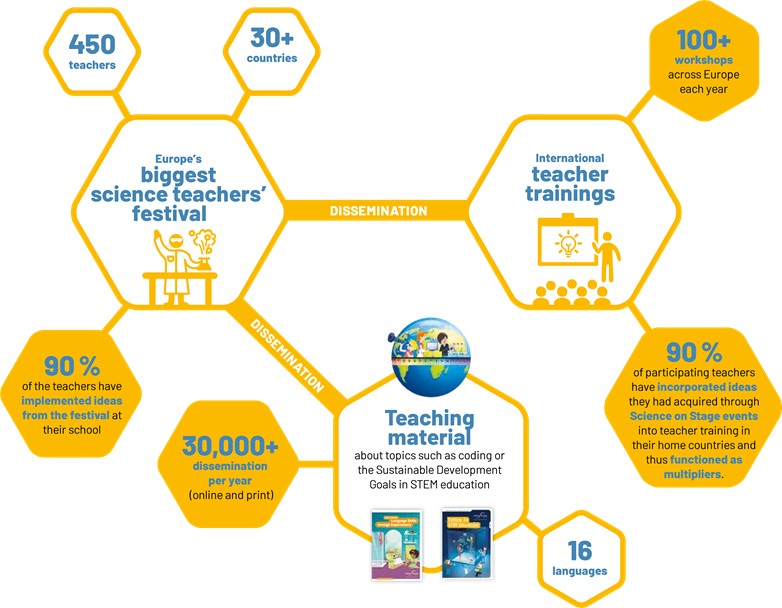
Il contributo di Science on Stage all’educazione STEM
This contribution reports on a short history of SonS and its activities to promote science education and on the outcomes of the 2024 European SonS Festival, in which the Italian delegates presented several innovative Chemistry-based projects. It also presents the coming Italian and European editions.
-
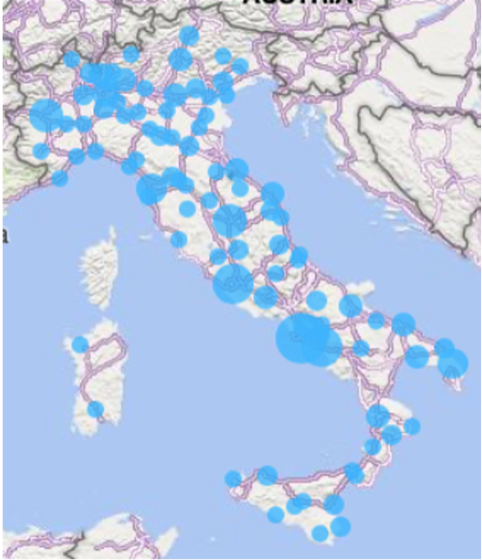
La competizione “Giochi della Chimica”: analisi dei risultati degli studenti e partecipazione
Since 1984, the Italian Chemical Society has organized the “Giochi della Chimica”, competitions for High Schools. The individual competition is divided into 3 classes: A; B; C. For each class, the competition includes 3 phases: Institute Phase; Regional Finals; National Final. From 2024 on, a team competition has been also organized (a team is made of 4 students). Questions for both competitions are written by a Questions Commission and are based on a dedicated Syllabus. The most talented students from the National Final are selected for participating in the Italian delegation of International Chemistry Olympiad. This communication will present and analyze the participation and the results of the last edition.
-
I giochi di Avogadro della Società Chimica Italiana
Games are a powerful educational tool, as confirmed by philosophers and pedagogists who highlight its importance in developing skills such as problem-solving and creativity. Chemistry, often seen as an abstract discipline, can benefit from a playful approach. Giochi della Chimica, organized by Società Chimica Italiana since 1984, have been extended to lower secondary schools with the Giochi di Avogadro. The first edition, held in the 2023-2024 school year, saw the participation of 1700 students from all over Italy. The results show a high level of engagement, with positive feedback from both students and teachers, confirming the effectiveness of this approach in stimulating active learning.
-
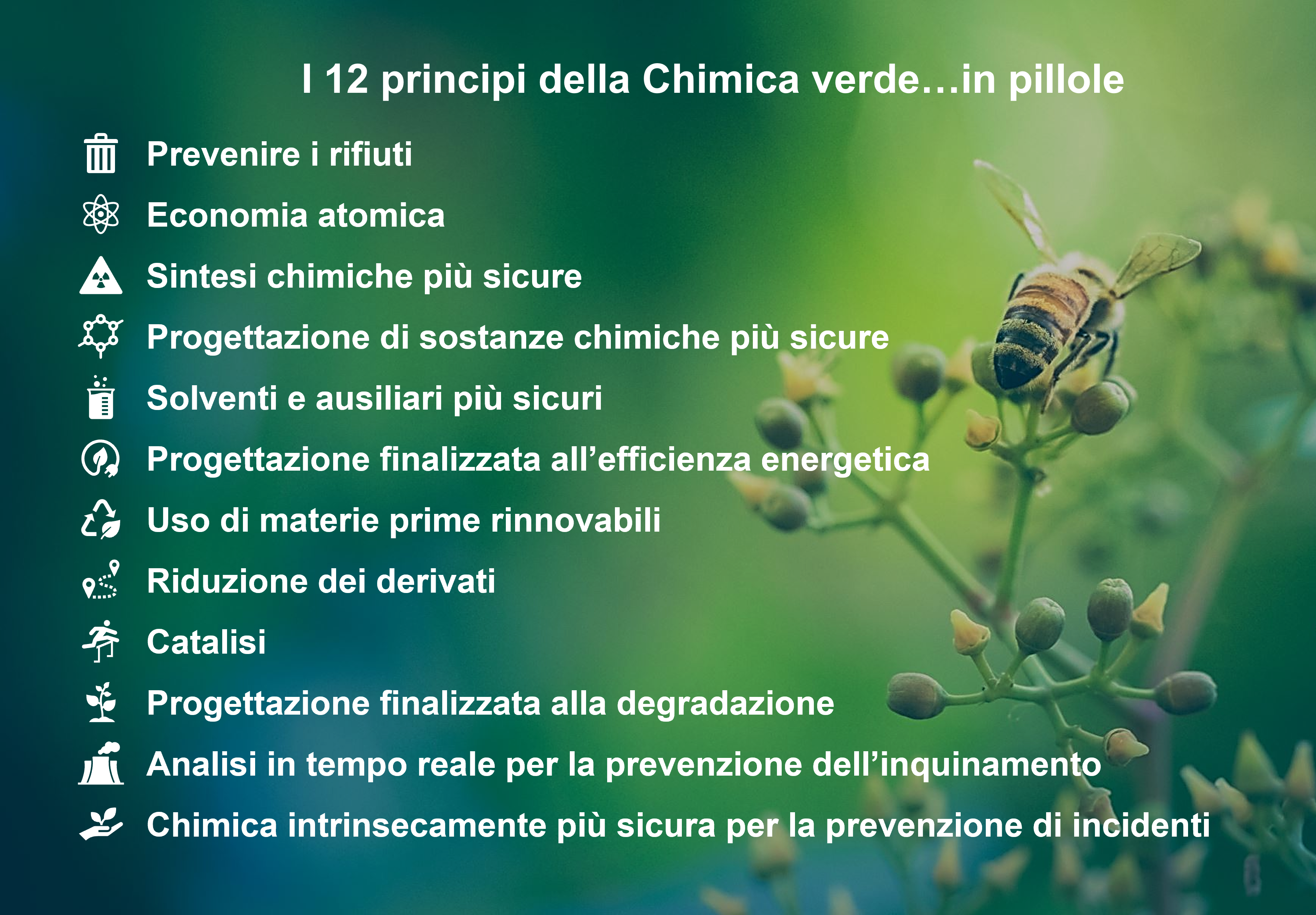
Verso la sostenibilità e …oltre! Utilizzo del Game-based learning per la promozione della chimica sostenibile nelle scuole secondarie
Green and sustainable chemistry is an important piece of the skills puzzle needed to foster a cultural shift in society toward sustainability, circular economy and decarbonization. We propose a learning path on Chemistry and Sustainability which exploits the Game-Based Learning and is structured in two steps. The first one is to introduce and contextualize the concepts with the games “Sustainable Crosswords”, “New materials from Waste,” and “Reduce, Recycle, Reuse,” and the second one to go into details and consolidate with the game “Toward Sustainability... and Beyond”. The training objectives include both cognitive processes and learning content.
Piano Lauree Scientifiche
-

Attività laboratoriali del PLS Chimica: un’opportunità per insegnanti e studenti
For many years now, PLS has offered teachers and students, in the three-year period of secondary school, the opportunity to practically try their hand at various chemistry topics. The aim that has accompanied these activities since its inception is both to bring out scientific vocations in students (in our case particularly in the chemical field) and to contribute to the training of science teachers with new teaching proposals. The common thread in the PLS Chemistry activities of the current academic year was “The colors of chemistry” and was divided into three laboratory activities which involved different disciplines present on site. In this communication, the educational ideas offered as part of the project and the students’ response will be discussed.
-

Iscriversi ai Corsi di Laurea in Chimica: uno studio sulle motivazioni alla base della scelta
Academic drop-out is influenced by a wide range of factors, including social, economic, and psychological aspects. In this preliminary study, we focus on the psychological factors and explore the motivations driving university freshmen to enroll in a chemistry program. To achieve this, we surveyed approximately 1,000 students from various Italian universities, assessing their motivations, attitudes, identity, and self-efficacy in chemistry. A cluster analysis identified four distinct student profiles: Moderately Motivated, Highly Motivated, Differently Motivated, and Failed Admission, each significantly associated with the contextual variables measured. Our findings reveal that fewer than one in five chemistry freshmen are highly motivated, highlighting the need for greater attention to orientation policies at both local and national levels.