No. 1La giornata dedicata alle donne e alle ragazze nella scienza
Full Issue
Editoriale
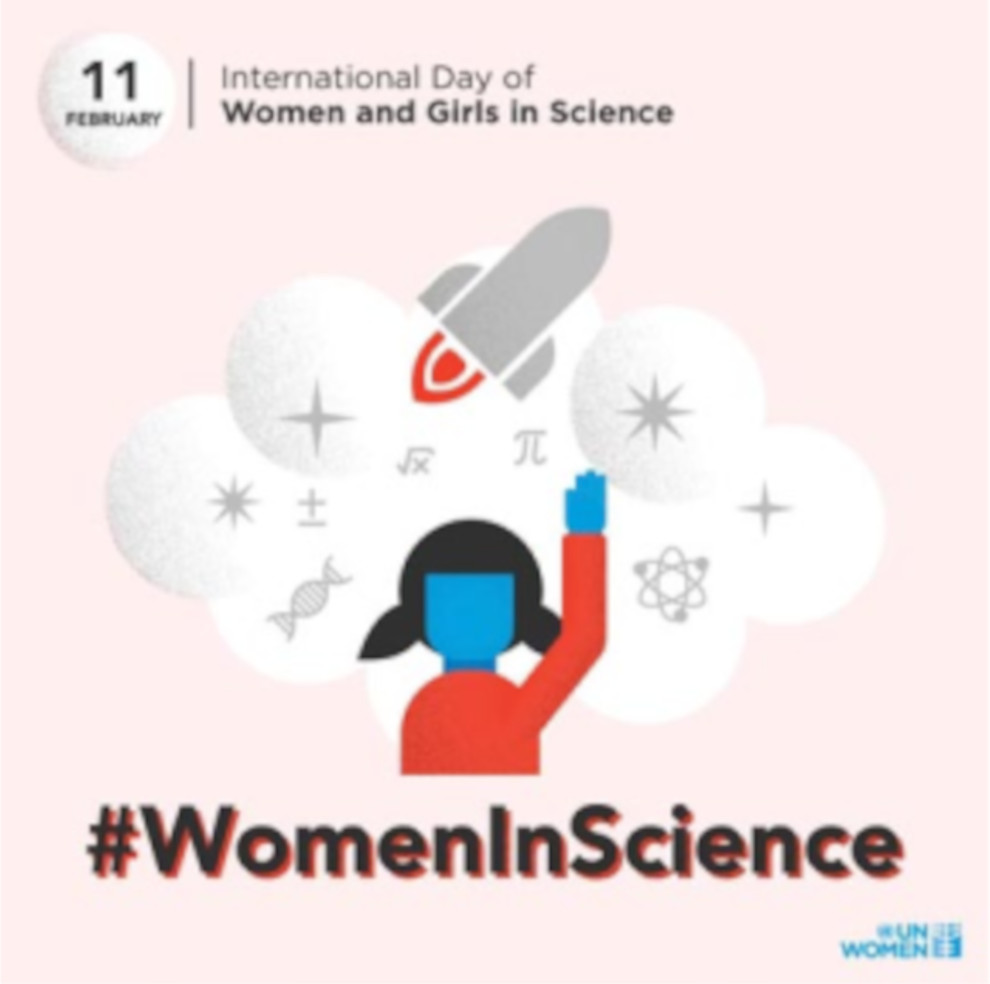
Donne e ragazze nella scienza
-
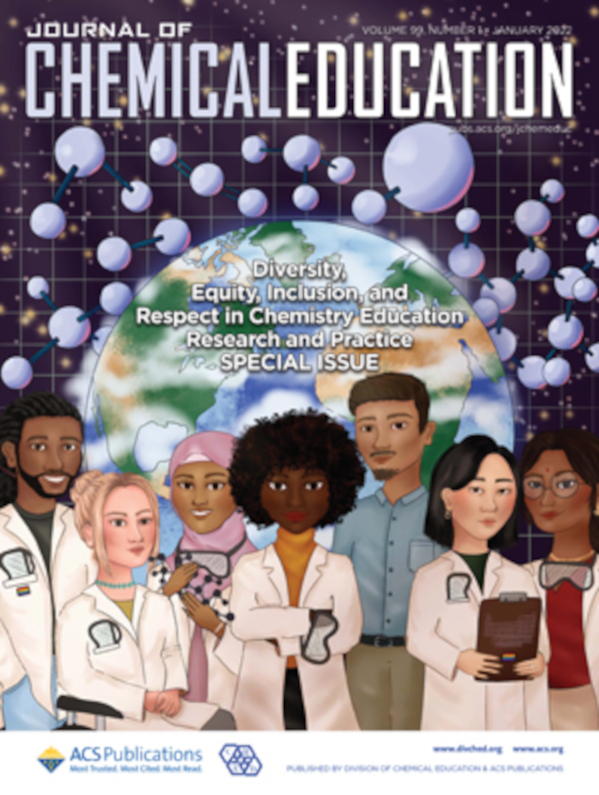
Giustizia ambientale e sociale: i due lati della stessa medaglia: 7th International Day of Women and Girls in Science
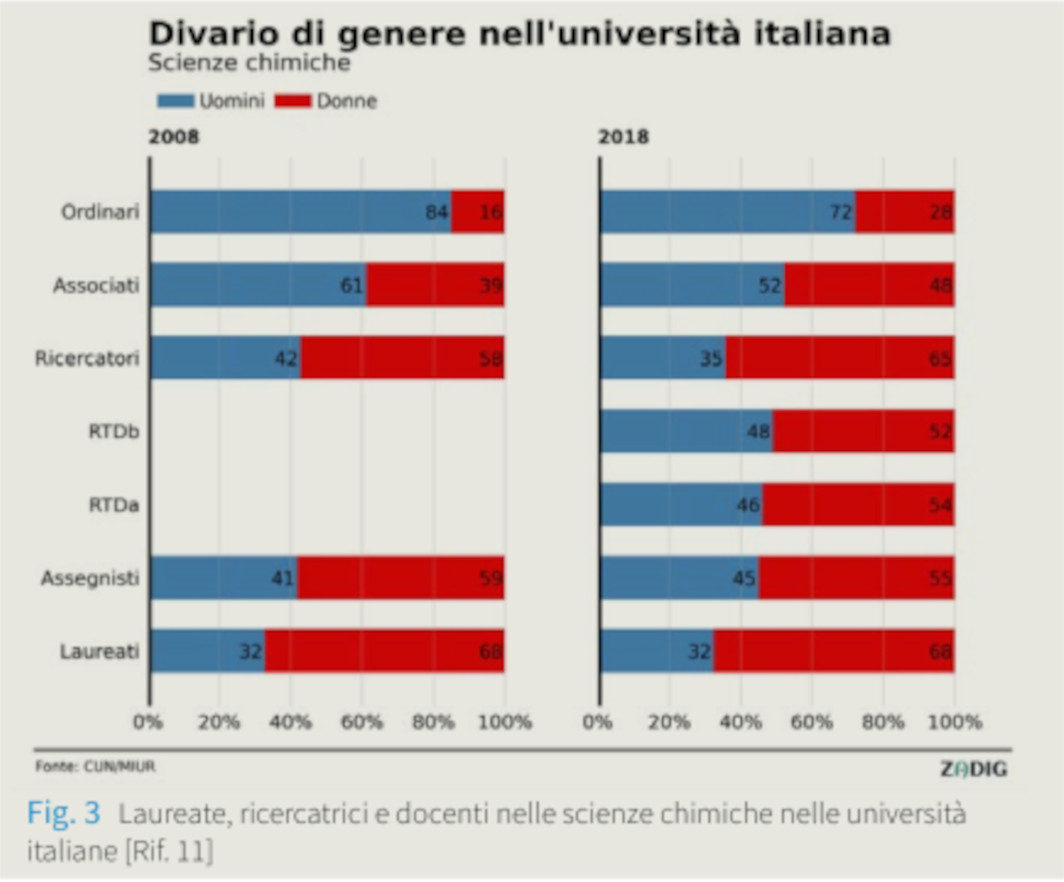
The latest data produced by the Alma-Laurea consortium (2022) highlights a fact known to anyone working in education in Italy: the overtaking – constantly increasing since the early 1990s – of female graduates over male graduates is not matched by an adequate response from the labor market. On the 7th International Day of Women and Girls in Science, and with educational goals to support an equal participation in science of both girls and boys of any cultures, these pages will comment on that
data in relation to the theme of the 2022 edition: “Equity, diversity, and inclusion: Water unites us”.
Scuola "Ulderico Segre"
-
Le nanoscienze approdano alla Scuola Segre (e alla Scuola Del Re) con un mare di opportunità didattiche, ma anche di sfide da affrontare
In 2021 the Didactics Division of the Italian Chemical Society decided to jointly start the “Ulderico Segre” School of Educational Research and Chemistry Didactics, mainly dedicated to university teachers, and the National School of Chemistry Education “Giuseppe Del Re”, mainly involving the teachers of the secondary school, for the following reason: since the chosen theme, nanosciences, due to its increasing importance in the field of application, begins to have significant impact in chemical teaching at all levels of education, we wanted to favor and maximize the interaction between all the actors involved in the teaching/learning process of Chemistry. After two common days, however, the Segre School and the Del Re School “separated”; in fact, for each, two further days were organized with activities selected ad hoc considering the different target of the schools. This contribution contains a brief report of the two introductory days, while the one published below describes what was dealt with in the days dedicated specifically to the Segre School.
-
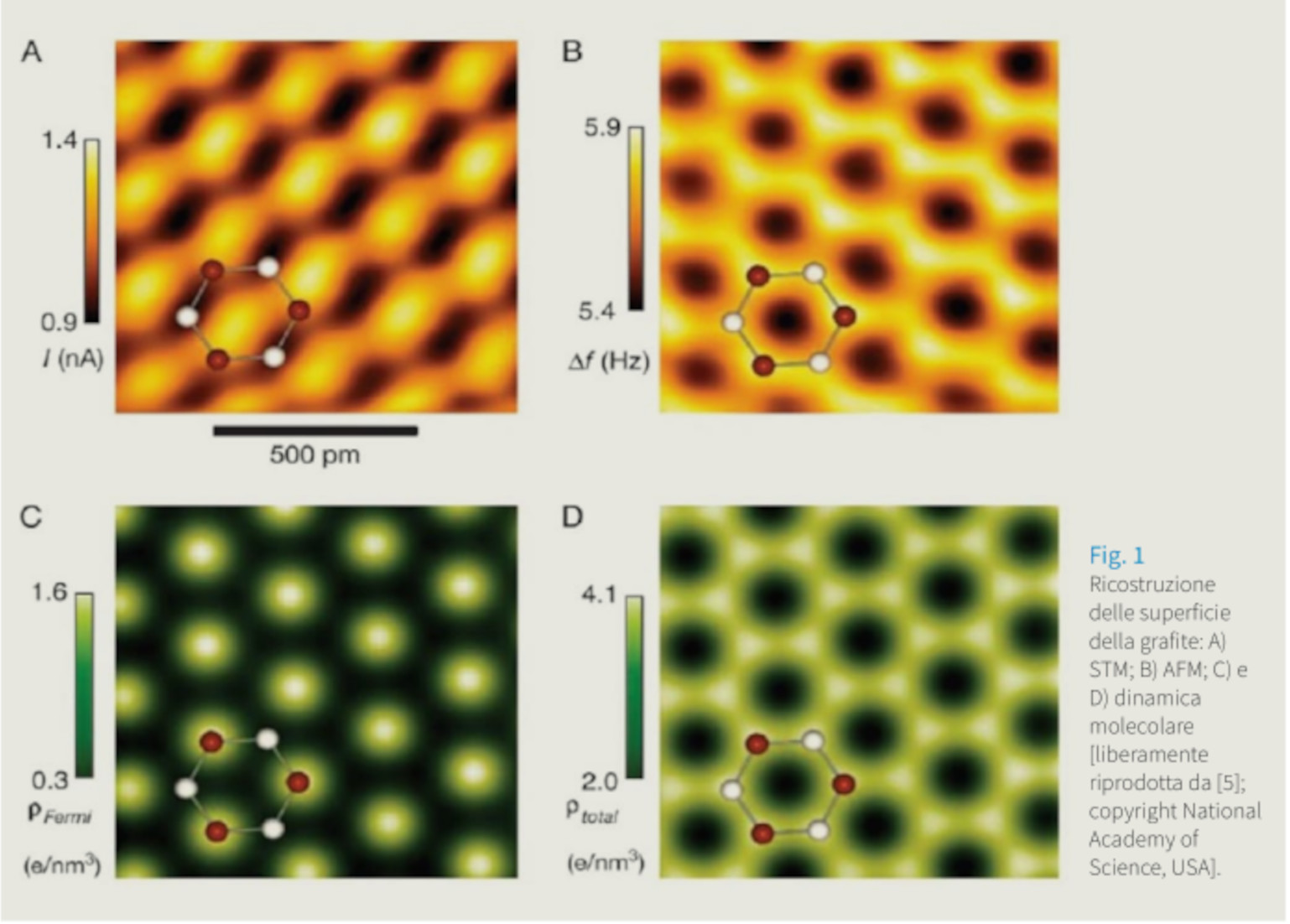
Lo sviluppo delle nanoscienze e la didattica universitaria di base
Summaries of the two specific sessions of the XIII edition of the School of Education Research and Chemistry Didactics “Ulderico Segre”, organized by DD-SCI, on Nanoscience and on how this discipline may affect the teaching of chemistry undergraduate courses are reported. Modern microscopy techniques, which allow to obtain images with atomic resolution, were described and the interpretation of these images was discussed. Furthermore, the size dependence of physical and chemical properties of matter at the nanometric scale was analysed. The possibility of obtaining supramolecular structures with specific properties by self-assembly was also highlighted.
Metodologie didattiche per l'Università
-
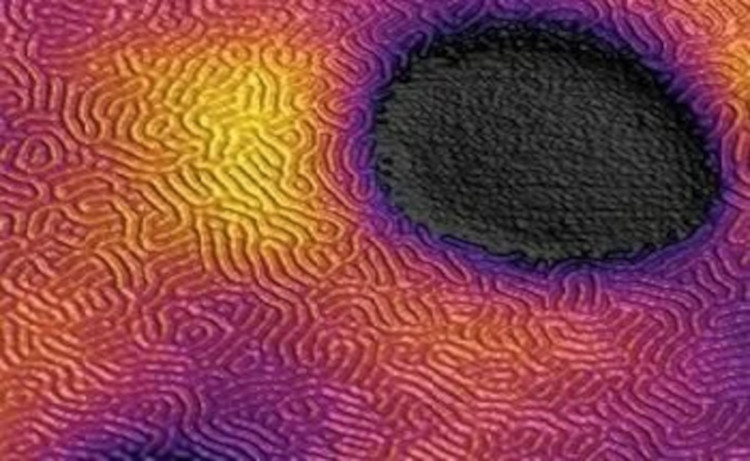
Le microscopie a scansione di sonda
Nanoscience and the study of matter on the nanoscale, using modern microscopy techniques, represent an extremely useful and powerful tool for introducing concepts of quantum mechanics from the educational point of view. We have illustrated the basic principles of scanning probe microscopies most used in research laboratories and industries: scanning tunneling and atomic force microscopy, both capable of measuring the physical and electronic properties of matter on the atomic scale and in real time.
Percorsi storico epistemologici per la scuola superiore
-
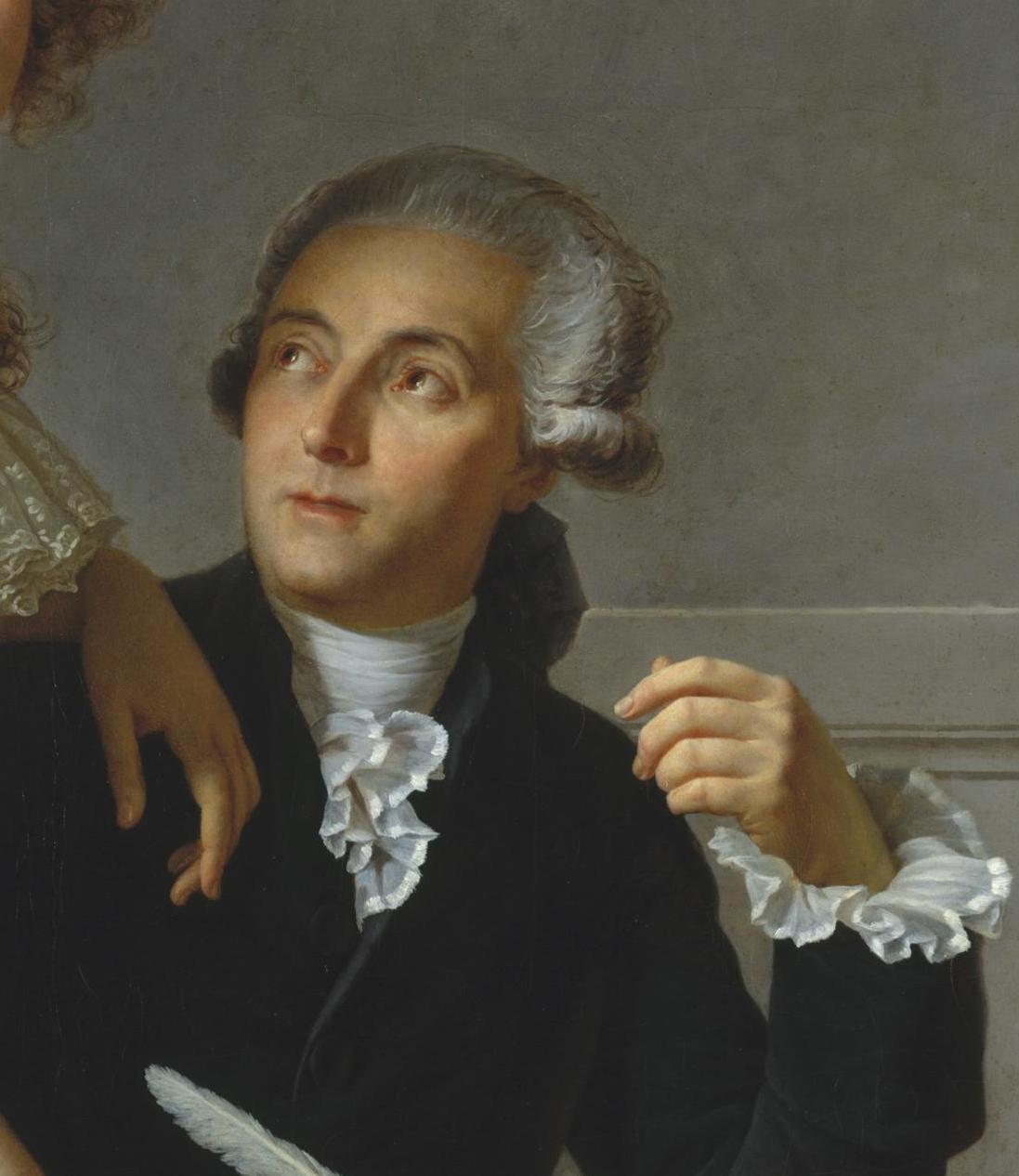
Il senso di leggere i grandi classici della Chimica: Perché una rubrica dedicata a percorsi didattici con approccio storico-epistemologico
“Gli scienziati si formano oggi leggendo libri scritti, per i giovano studenti, da altri scienziati. A differenza di tutti gli “umanisti” che si vergognerebbero a confessare di non aver mai letto Dante o Shakespeare o Dostoevskij, nessun fisico e nessun biologo ha l’obbligo o il dovere morale di leggere direttamente i testi dei grandi classici della fisica o della biologia. Alcuni, spesso in età molto matura, li leggono ma questo non è affatto indispensabile e, dopo le letture fatte in un buon liceo, si può arrivare al Nobel senza aver mai aperto un testo scientifico anteriore agli ultimi vent’anni.”
Percorsi laboratoriali
-
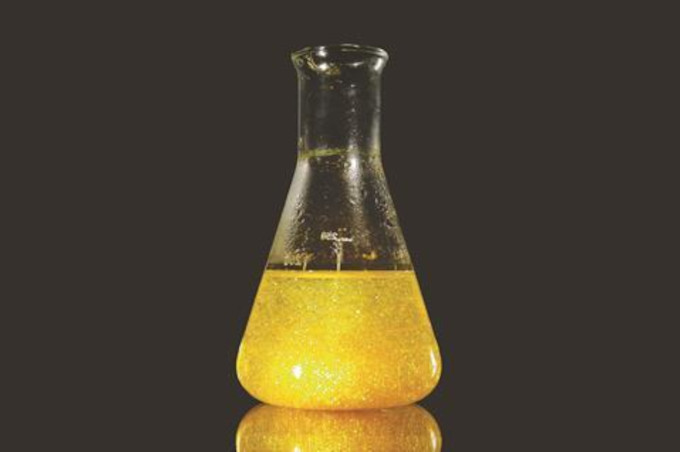
Un percorso didattico per svelare la chimica di un esperimento spettacolare
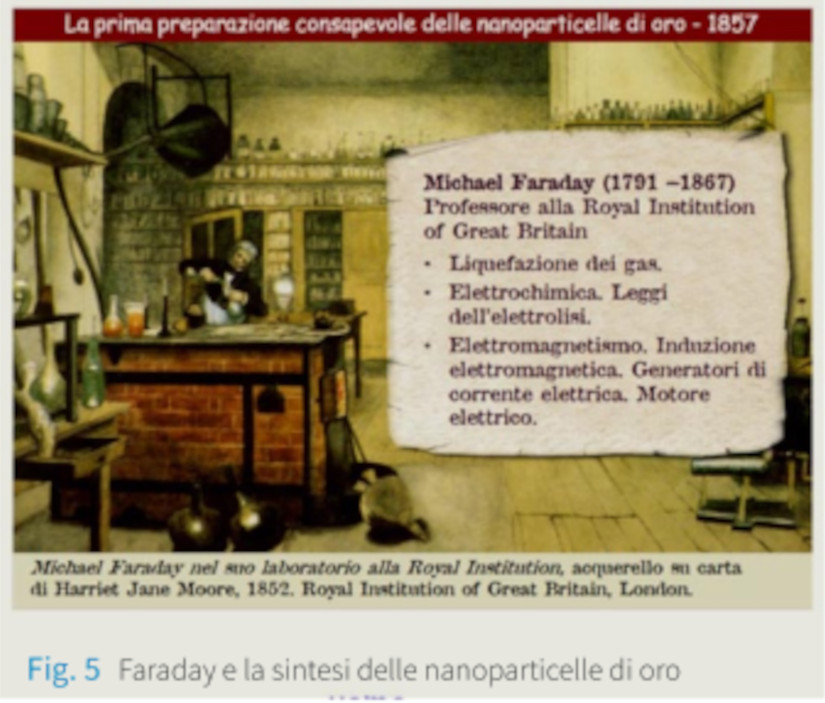
The spectacular experiment of exhibition chemistry, known as Golden Rain, simple precipitation and recrystallization of lead iodide, is particularly useful in teaching practice because of its innumerable connections to key topics of the school program of Inorganic Chemistry (solubility, crystallization, precipitation, solubility product, solubility equilibria, Le Châtelier’s Principle), as well as to enable students to carry out focused stoichiometric calculations. A teaching path has been developed in order to take advantage of this potential.

Musei scientifici e didattica
Comunicazioni brevi
-
Oltre il Muro: verso l’Università di Lipsia
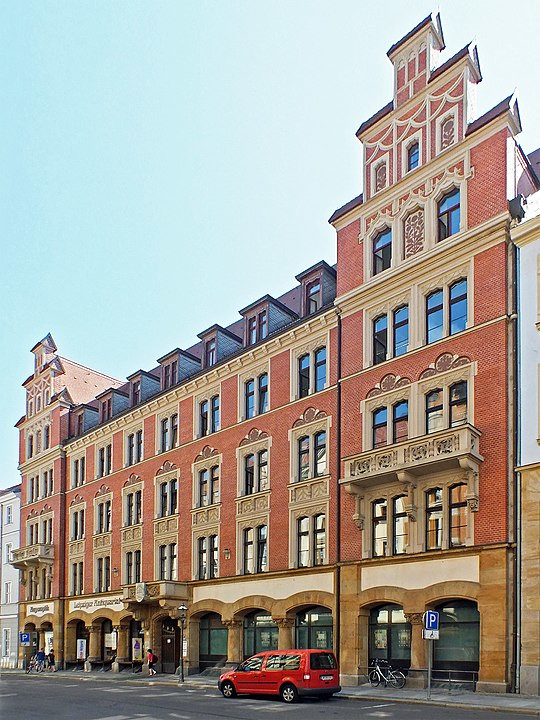
A journey to the University of Leipzig for a scientific collaboration is an opportunity for the Author to report his feelings and sensations in the presence of the Berlin Wall.