No. 1Chimica nella Scuola n.1 2023
Full Issue
Editoriale

Metodologie didattiche per l'Università
-
La meta-riflessione al servizio della didattica universitaria: L’esempio della Scuola di Ricerca Educativa e Didattica Chimica “Ulderico Segre”
The innovation of teaching practices and the improvement of the quality of chemistry teaching, at any learning level, including university, implies reflection and research activities. The meta-reflection on chemistry makes it possible to analyze the logical processes, the cognitive practices, and the conceptual evolution of disciplinary knowledge, helping to clarify the structure and identity of chemistry. The “Ulderico Segre” School of Educational Research and Chemistry Didactics organized by the Division of Chemical education proposes itself annually as a discussion place between university professors and school teachers, aimed at deepening the foundational chemical concepts and at fostering meta-reflection on chemistry.
Percorsi laboratoriali
-
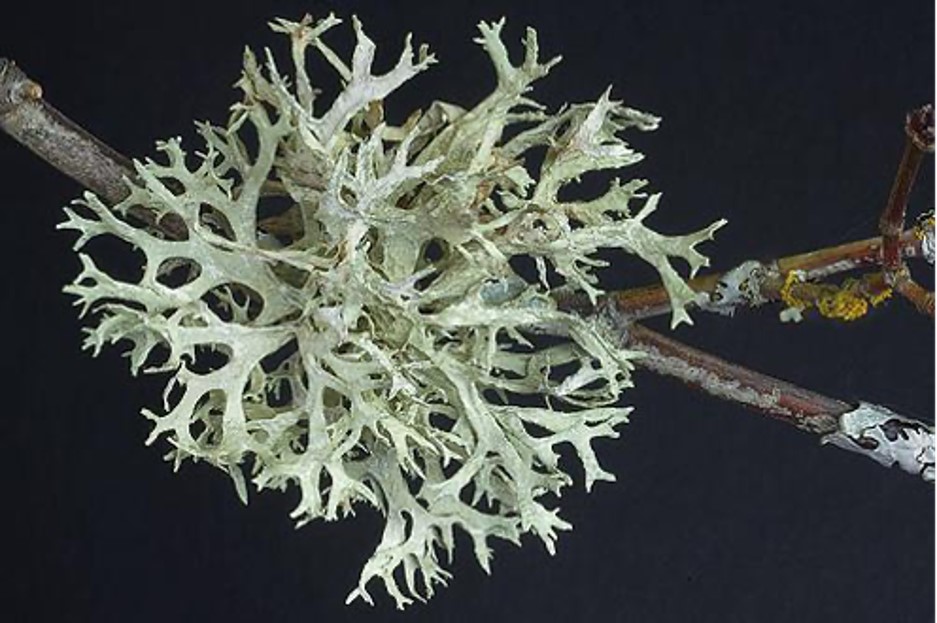
Biomonitoraggio e determinazione delle emissioni inquinanti di NOx tramite licheni
Lichen diversity is a good indicator of air quality and health risk and there is a strong correlation between lichen diversity and lung disease like cancer and asthma. Biological monitoring by means of lichens is a very suitable tool to assess and monitor air pollution and it has been adopted in several surveys in Italy in the last 30 years. In our school, we try to implement the traditional air pollution monitoring with an innovative – self made - analysis that is based on Kjeldahl method of nitrogen analysis for the determination of total nitrogen uptake by Evernia prunastri to quantify the air pollution. The aim of this work is to assess the nitrogen oxides (NOx) pollution in the territory of Acquapendente and to give a boost to the municipal administration and scientific community’s efforts to permanently use lichens as bioindicators and bioaccumulators in territory of north Tuscia.
-
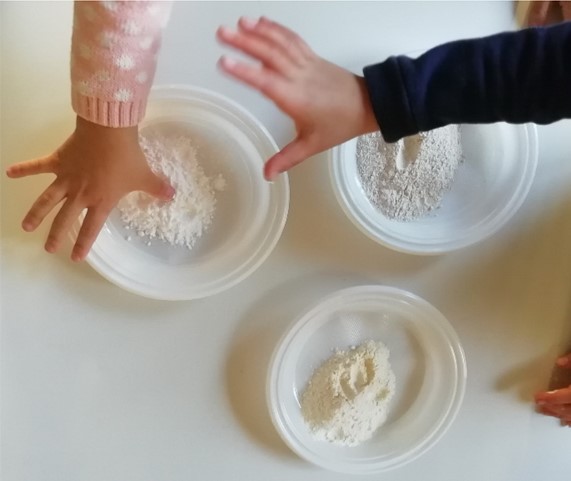
Materiali omogenei ed eterogenei alla scuola dell’infanzia
The following manuscript reports a didactical unit aimed to lead kindergarten and primary school children in the exploration of some characteristics of materials. In particular, by means of an inductive approach and thanks to laboratory didactics, the children explore the homogeneity and the heterogeneity of materials starting from perceptions during their handling.
Musei scientifici e didattica
-
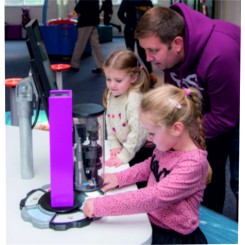
Catalist: Un museo a tutto tondo, dedicato alla chimica e all’industria chimica
This brief contribution aims to describe my visit to the science center ‘Catalyst’, the first interactive science museum dedicated to Chemistry in Europe. The museum is located in the suburb of Liverpool in UK. Thanks to the various interactive hands-on exhibits and to the laboratory areas at the second flour, Catalyst is visited by many school classes and families from UK every year.
Pagine di storia
-
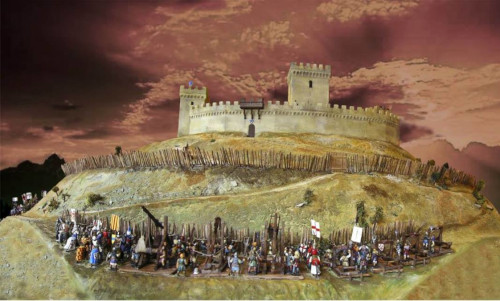
Arte della guerra nel Rinascimento: Esempi di ricette di polvere da sparo all’ombra del Palazzo Ducale di Urbino*
The essay analyses the theme of the art of war in the Renaissance with a multidisciplinary approach, paying particular attention to the diversity of firearms and to the methods of preparing gunpowder, both described by Francesco di Giorgio Martini.
Dare voce agli studenti
-

M’illumino d’immenso: L’uomo e la luce: un rapporto da studiare
The man is lost without light. The relationship between man and light reveals many hints for teaching in terms of physics, chemistry and preventive medicine.
News
Transizione energetica
-
Il problema energetico: fondamentale, ma non è l’unico
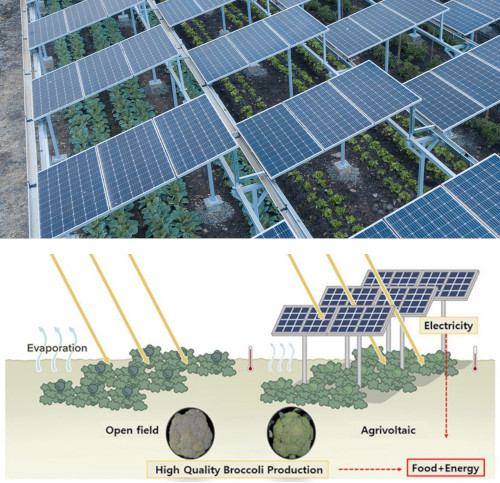
We are facing a complex crisis which is both environmental and social. Sadly, not many seem to be aware of the challenge we face. The first thing to do is to inform and educate people to build a solid cultural foundation and to implement a courageous cultural revolution. We need to change our current lifestyle to reduce waste and pollution and, most important, to stop climate change. We also need to reduce the growing inequalities between nations and within each nation. To achieve these objectives, we must create a new economic model based on ethical foundations, aimed at promoting ecological as well as social sustainability. Strategies for a solution demand an integrated approach to protecting nature and combating poverty by the implementation of three transitions: from fossil fuels to renewable energies, from a linear to a circular economy, and from consumerism to sobriety. We must protect our planet because it must also serve the next generations. There is so much to be done to improve this world. Many decisions must be made at a political level, but each of us is required to play our part
-
-
Proposta didattica in tempi di transizione energetica: il crimine idrocarburico
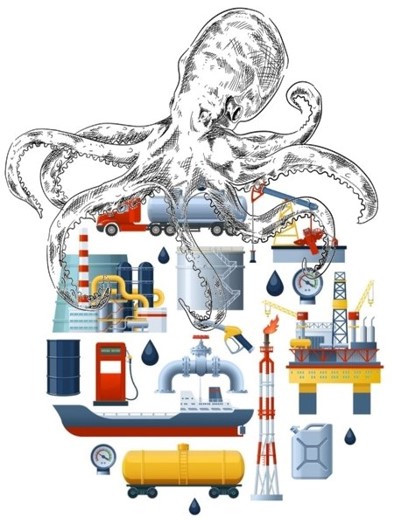
Chemistry teaching is receiving many contributions aimed at raising students’ awareness of our society’s need for an energy transition. This paper describes a phenomenon, hydrocarbon crime, which despite its relevance is scarcely known to the public and is often absent in debates on the transition to renewable sources. It also describes the socio-economic and environmental consequences of criminal infiltration in the supply and distribution of the hydrocarbons sector. Furthermore, it is emphasized that this epochal transition cannot be separated from a restoration of legality in the current context of the fossil fuel market.
This paper is written for chemistry teachers with the aim of offering tools to allow them to include the topic of hydrocarbon crime in class discussions about energy transition.