Volume 3, No. 3Chimica nella Scuola n. 3 2026
Full Issue
Editoriale
Musei scientifici e didattica
-
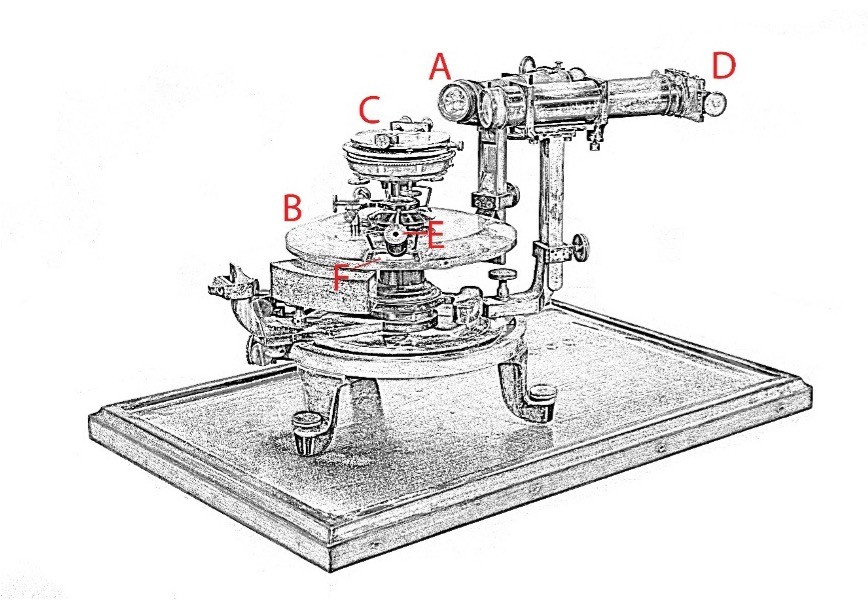
Valorizzare il patrimonio degli strumenti scientifici storici per la conoscenza e per la didattica: il progetto Va3SCoDi
his contribution aims to present a project funded by Regione Toscana about the valorization of historical scientific instruments for culture and education (label of the project: Va3SCoDi). This project concerns the collection of instruments of the Dipartimento di Chimica e Chimica Industriale and it involves several scientific museums, such as the Museo Galilei in Florence, the Museum of instruments of Physics in Pisa and the Natural History Museum in Rosignano Marittimo. In this paper, the first steps of the project will be reported focusing on the cataloguing of several instruments that were part of the Gabinetto di Chimica and Gabinetto di Fisica Sperimentale from the 1800 to the 1970.
Non solo calcoli stechiometrici
-
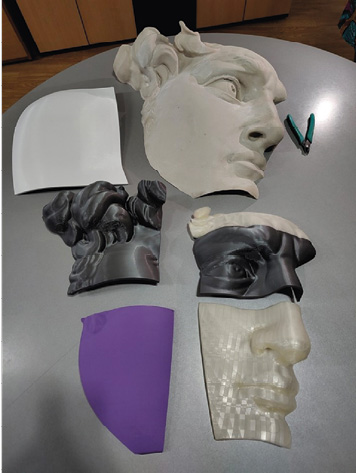
La verifica del risultato per migliorare le abilità nel problem solving
Some educational experiments were conducted to identify the difficulties students encounter in using familiar concepts such as density or in solving simple stoichiometric calculation problems and verifying the result. This article demonstrates how the systematic use of verification improves students’ self-esteem and problem-solving skills.
Didattica e divulgazione della chimica
-
Archè: la chimica va in scena per raccontare l’evoluzione del concetto di elemento e di atomo
This paper presents Archè, a theatre-science project devoted to the historical development of the concept of chemical element. The performance adopts a dialogical and narrative structure that retraces the evolution of this concept from presocratic philosophy and alchemical traditions to the emergence of modern chemistry, the formulation of the periodic law and its interpretation within the quantum model of the atom. The article outlines the structure and contents of the project and discusses its educational potential within secondary school contexts. Particular attention is given to the way key scientific concepts, such as the operational definition of element in modern chemistry, the periodic classification of elements and the quantum interpretation of atomic structure are translated into theatrical language. By integrating historical reconstruction, scientific explanation and performative narration, Archè highlights the cultural dimension of chemistry and illustrates the progressive and historically situated nature of scientific knowledge.
-
Il sistema periodico tra divulgazione scientifica e materiali didattici
Scientific didactics and communication have very different objectives and methods. This article aims to analyze and differentiate these two types of materials (science didactic and communication) based on Primo Levi’s book, The periodic table. A recent edition of the book includes suggested teaching activities that illustrate its specificity in comparison to Levi’s original material. I hope this article will help teachers who wish to explore scientific communication in the classroom or incorporate some of these activities into their teaching activities.
Chimica e astronomia
-
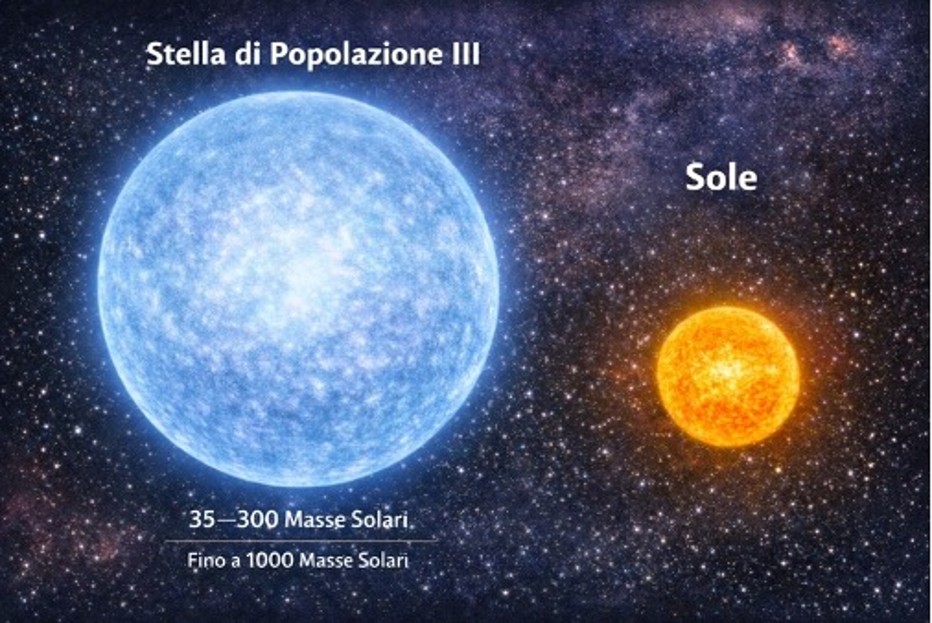
Siamo “polvere di stelle”: come la chimica costruisce l’Universo
This work examines the connection between Chemistry and Astronomy, showing how the chemical composition of matter is the result of cosmic evolution. Primordial nucleosynthesis produced only the lightest elements, while successive generations of stars synthesized heavier elements through nuclear fusion. Supernovae explosions and Neutron Stars mergers dispersed these elements into the interstellar medium, enabling the formation of chemically enriched stars and planetary systems. The Sun is discussed as a second-generation star whose composition reflects this cumulative process. Finally, the study considers the future evolution of the Sun and the fate of the Earth, highlighting that planetary systems and their chemistry represent temporary stages in the continuous evolution of matter in the Universe.
Storia ed epistemologia della chimica
-
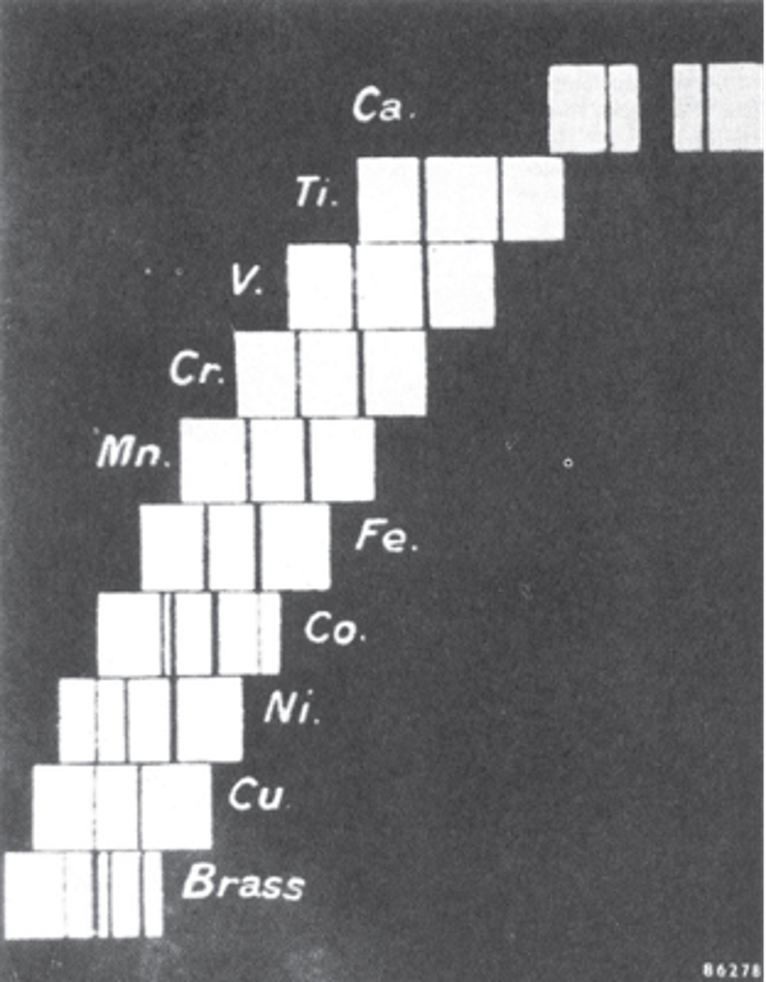
Dal peso atomico al numero atomico: un nuovo criterio ordinatore per gli elementi della Tavola Periodica
The periodic table is an icon of chemistry and an essential component of every school curriculum. However, the fundamental concepts underpinning this extraordinary scientific framework are often overlooked in both schools and universities due to their deceptive simplicity. Even the transition from atomic weight to atomic number as the basis for organizing elements is sometimes glossed over in textbooks with a few oversimplified sentences. This work aims to provide teachers with an overview of the 19th-century debates among eminent chemists over three key notions central to Mendeleev’s system: atomism, atomic weight, and the nature of elements. Furthermore, we illustrate that the transition to a new organizing principle was not a sudden shift but an extended process requiring new experimental data, updated atomic models, and a great deal of imagination. We also highlight the fact that the introduction of atomic number sparked a paradigmatic shift in the periodic system; it provided Mendeleev’s construction with a more solid foundation by anchoring it to the atom’s internal structure and ultimately led to a redefined concept of a chemical element.
Un chimico non più tanto giovane racconta
-
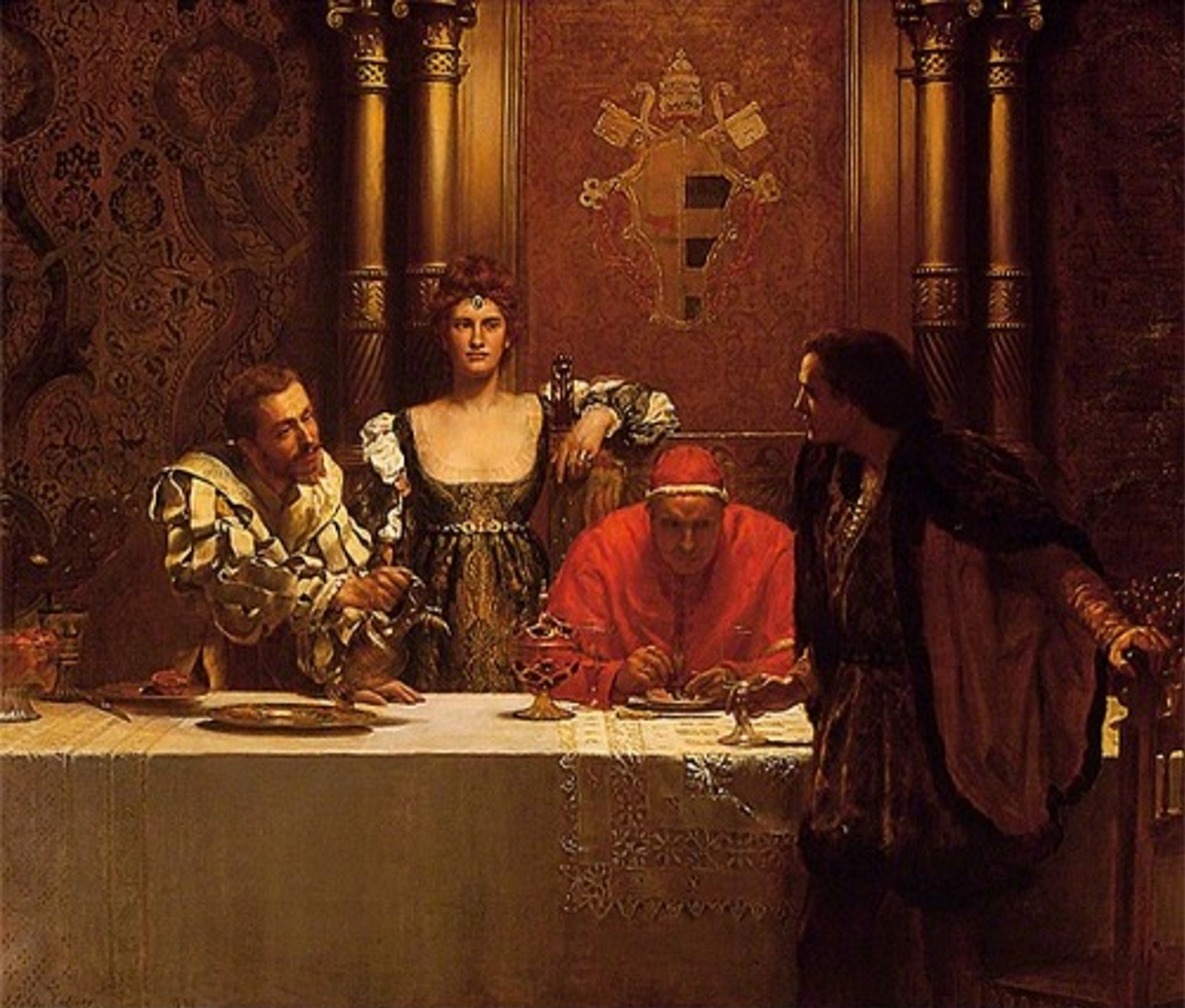
Arsenico double-face e un po’ di gossip
This paper provides an overview of the dual nature of arsenic: on one side, arsenic as the king of poisons through the ages, on the other side, past, present and future perspectives of arsenic in medicine. Outlines on arsenic in cosmetics, together with hints on arsenic pollution of groundwater, are also given.