No. 4Chimica nella Scuola n. 4
Editoriale
Metodologie didattiche per l'Università
-
ITS Academy: una grande opportunità per i giovani e per il paese
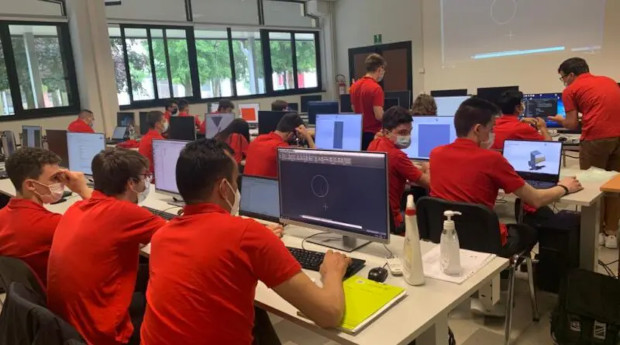
ITSs were founded about ten years ago. However, this important educational opportunity is little known. Most people believe that ITS stays for Industrial Technical Institutes, i.e., High School Institutes. This misunderstanding also affects the national press. The collaboration between school and the productive system is a goal of the ITSs; this is necessary to enhance orientation and to reduce
unemployment. In this paper we describe the structure of ITSs, their regulatory evolution and their institutional objectives. To give a concrete example, we make specific reference to the ITS TAM in Biella.
Percorsi storico epistemologici per la scuola superiore
-
Come superare oggi le difficoltà analitiche a cui andarono incontro i chimici dell’Ottocento utilizzando semplici metodi moderni in un laboratorio scolastico
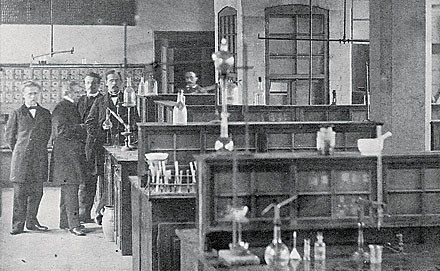
Two simple experiences were carried out in a school laboratory. Even at school it is possible to experimentally determine the percentage composition by mass of an element of a compound and verify the combination ratio between carbon and oxygen in carbon dioxide. This short work describes how it is possible to do today, with simple modern equipment, what the chemists of the nineteenth century achieved by applying the “law of atoms” of the great Italian chemist Stanislao Cannizzaro.
Percorsi laboratoriali
-
Sulla bellezza delle donne: Un percorso PCTO tra chimica, storia ed economia solidale
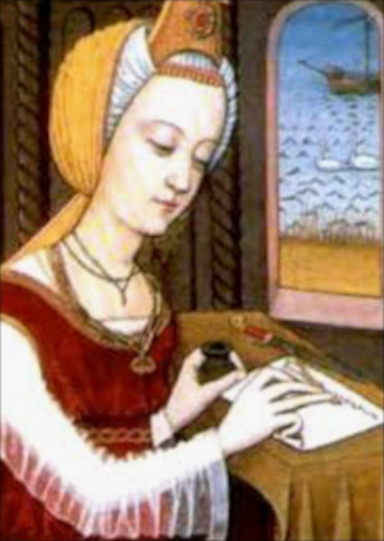
A class of a technical institute for chemistry developed a PCTO path focused on the realization of cosmetics inspired by the recipes of Trotula De Ruggiero, a prominent exponent of the ancient “Schola Medica Salernitana”. These recipes were revisited by highlighting, from a chemical perspective, the ingredients that, in the modern cosmetic science, are still considered valid, and those that have been rejected. Starting from a protocol between MIUR and Confcooperative, and with the training support of the “Stalker” Social Cooperative of Eboli (SA), the class made up a Scholastic Cooperative Association, implementing in a business simulation the
management of activities through the practical application of the cooperative principles. The present contribution describes the different aspects of this educational path that seeks a strong motivational impulse to learning in the interaction between chemistry, history and solidarity economy.
Musei scientifici e didattica
Pagine di storia
-
Un inedito testo di Chimica Applicata di Francesco Mauro
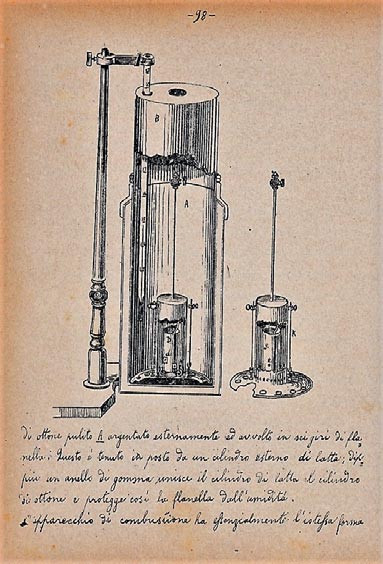
A rare and unknown text on Applied Chemistry written by Francesco Mauro, a pupil of Stanislao Cannizzaro, who was full professor of Docimastic Chemistry at the Naples School of Engineering at the end of the nineteenth century, is examined and commented on. Mauro is recognized as one of the most active Italian teachers in the transition from Docimastic Chemistry to Applied Chemistry, i. e. from the chemistry of “essays” to the chemistry of materials, an intermediate step towards the Science and Technology of Materials,
which is currently being taught to industrial Engineering students. This paper also makes it possible to highlight Mauro’s great teaching skills and the care taken in the acquisition of original data produced by the leading Applied Chemistry scientists of the
second half of the nineteenth century.
Dare voce agli studenti
-
Approcci etici a epidemie e pandemie causate da virus
Attraverso questo progetto di ricerca intersettoriale e multidisciplinare si vorrebbe proporre un approccio etico alle future pandemie di origine virale, dall’analisi della letteratura, per sorvegliare possibili agenti causanti pandemie, alle misure di contenimento nazionale. Rimarcando l’importanza della ricerca di base per valutare possibili agenti antivirali, fino ad approdare alla comunicazione in tempi di crisi sanitaria. Quest’ultima, se fatta eticamente, favorisce il contenimento virale, aumenta la fiducia verso l’istituzione e, soprattutto, non dà spazio a teorie pseudoscientifiche, e la diffusione di notizie false, in un periodo d’incertezza.

Transizione ecologica
Letteratura internazionale

In ricordo di Floriano
Percorsi didattici per la Scuola primaria
-
Il corpo umano: un grande laboratorio chimico: Un percorso di didattica laboratoriale per la scuola primaria
In the following manuscript you will find the activities proposed in the fifth grade of the primary school, throughout an experimental thesis in Education Sciences (namely Primary School Teacher Formation).
The subject of the digestive system and nutrition has been deepened, paying attention to the journey of food in the body and promoting meaningful learning. By proposing laboratory activities, it was possible to verify the learning through the use of
initial, in itinere and final surveys. A practical teaching has demonstrated that multiple connections between the various topics can be created.