Volume 5, No. 5Vol. 5 n. 5
Full Issue
Editoriale
Transizione ecologica
-
Elementi chimici strategici e critici
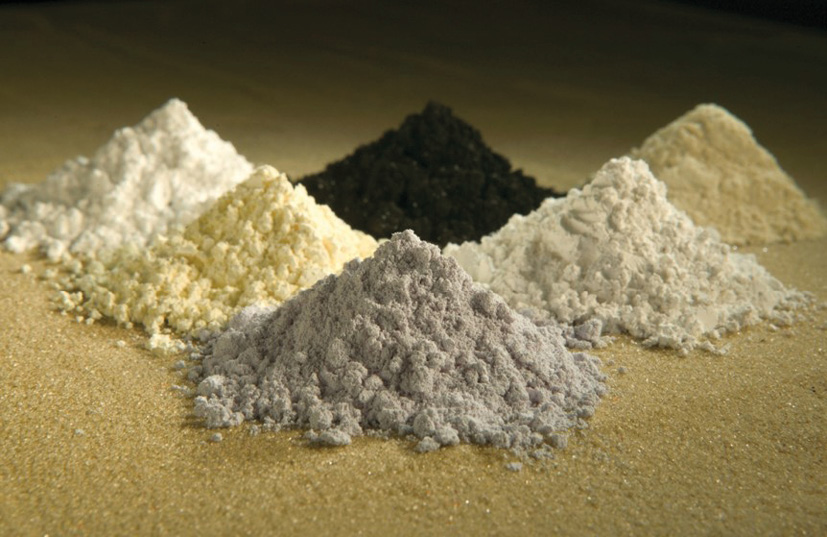
The article deals with the problem of strategic and critical materials, explaining their meaning and listing the today 34 critical raw materials. Then it addresses the European situation and focuses on the issue and the measures taken to reduce Europe’s strong dependence on third countries. The situation of Italy in this field is also presented. Finally, some examples of critical raw materials are examined, discussing the future need to their recycling on a large scale.
Percorsi laboratoriali
-
Condensazione aldolica e visual thinking: Come usare sketchnotes per descrivere un percorso teorico-sperimentale di Green Chemistry
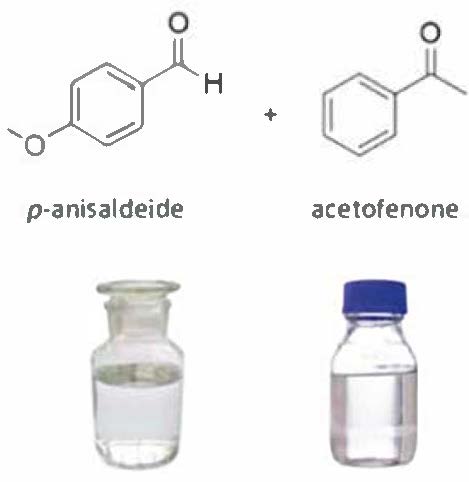
An alternative to the implementation of the classic lab notebook is proposed, in which visualization and schematization strategies are carried out in the inclusive view toward students preferring pencil over pen, drawing over text. Everything is included in a Green Organic Chemistry pathway, based on the carbonyl compounds and related aldol synthesis.
-
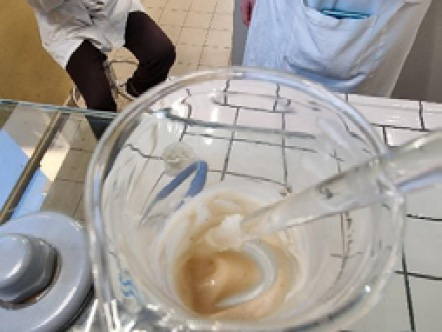
3Rs e i prodotti del futuro: Act Now for the Sustainable Development Goals - SDGs in STEM Education
The work 3Rs and the product of the future, developed by the three authors Iro koliakou, Anders Floren and Maria Zambrotta, aims to stimulate reflection on more sustainable productions, starting with both raw and recycled materials. The abbreviation “3 R’s” stands for Reduce, Reuse, and Recycle and encapsulates the aims of the activities: the impact of daily plastic use is highlighted, several workshop activities on the study and reuse of wool, and the production of cement from mussel shells are presented. The goals are to engage students in active learning and stimulate their critical thinking. In the online publication curated by Science on Stage, the following three sections are developed: (1) Bioplastics concerning an in-depth look at the use of plastics and the production of bioplastics; (2) Wool as a resource; in this regard some teaching units are published on wool as a raw material for bio-based products and the production of different products through simple chemistry experiments are reported; (3) How to make cement from mussel shells in which the production of cement using biomaterials is illustrated. In this article will be presented only the section related to the Wool.
Percorsi didattici per la Scuola primaria
-
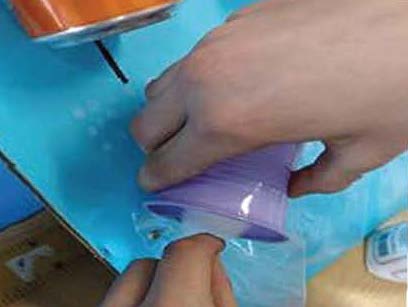
Il cibo che mangi(amo): gli zuccheri: Metodologie cooperative per supportare la corretta nutrizione nella Scuola Primaria
This article reports a fragment of the activities carried out in the Experimental Thesis path proposed in two fourth classes of the Primary School. Thanks to this path, the adoption of proper nutrition is promoted, making use of an Experiential Laboratory and cooperative teaching methodologies, capable of privileging the collective construction of knowledge. The field of Food Education is extensively explored, starting with the dimension “Me and food”, continuing with “Me, food and eating habits” and ending with “Me, food and the environment”. The part of the pathway described in detail here concerns eating habits, with a focus on sugar.
Pagine di storia
-
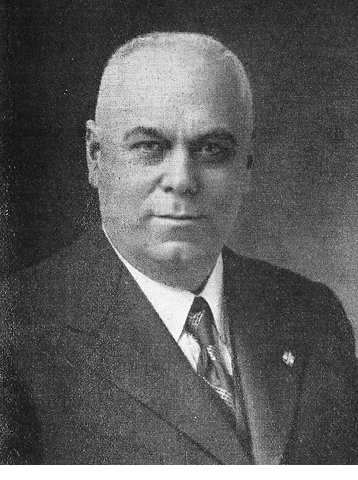
L’Istituto di Chimica dell’Università di Roma sotto la direzione di Nicola Parravano
Nicola Parravano was one of the main protagonists of the Italian chemical community in the years between the two world wars. In that period, he was, among his many offices, the Director of the Chemical Institute of the Royal University of Rome. In this article the history of this institution is reconstructed and the personalities who worked in it are recalled, to better highlight the ideas and choices that inspired Parravano’s scientific and political action.
Musei scientifici e didattica
-

Andiamo al museo! Un progetto interdisciplinare a Scienze della Formazione Primaria
In this contribution a didactic project by the University of Pisa for students attending the degree course in Primary Education is briefly described.
Pillole di saggezza
-

Tre contributi di Vincenzo Balzani sui quali meditare
Tre contributi di Vincenzo Balzani, professore emerito di Chimica all’Università di Bologna, su temi di grande attualità, pubblicati sul Supplemento Bo7 di Avvenire e sul Blog Chimica e Società