No. 2Chimica nella Scuola n.2 2023
Full Issue
Editoriale

Metodologie didattiche per l'Università
-
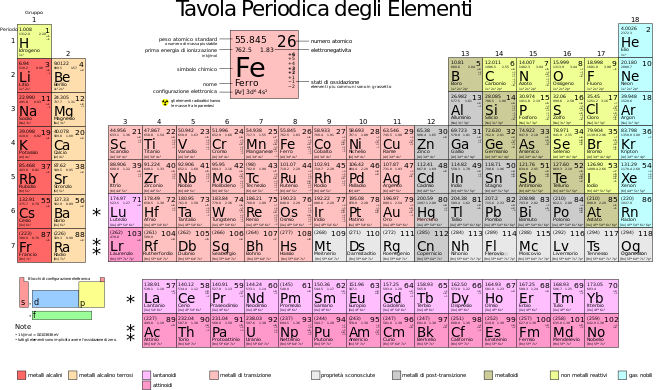
Le molte domande sollevate dal duplice concetto di “Elemento”
This contribution takes up some problems exposed in the first chapter of the book “What is a Chemical Element?”, edited by Eric Scerri and Elena Ghibaudi, and published in 2020 by the Oxford University Press. It concerns a series of still open questions relating to chemical elements starting from the double meaning of the term “element”, which goes back to Lavoisier who identified the element with the simple substance and Mendeleev who considered the element as something present in simple substances and compounds but not detectable by our senses. These two meanings were later highlighted by Paneth in his double definition of simple substance and basic substance respectively. Paneth argued that these two meanings must remain separate if the fundamental principle of chemistry that elements persist in their compounds is to be affirmed.
Unfortunately, IUPAC admits the double definition of element, thus fostering conceptual confusion between simple substance and element, which must necessarily be recognized a formal character expressed by its symbol and atomic number (which replaced Mendeleev's atomic weight after the discovery of isotopes). Chemists know how handle these double meanings of element, but this is not the case for students who encounter difficulties. We sincerely hope that these may help readers to better understand this concept, also considering that this problem is usually overlooked in textbooks who often speak of elements as simple substances with all their macroscopic properties, not present in their compounds, to the detriment of the more important formal meaning that underlie the periodic table.
-

Didattiche innovative: il contributo delle pedagogie e delle discipline
This contribution reports, in the form of an interview, the contents of a round table dedicated to the teaching innovation provided by the integration of pedagogical and disciplinary teachings. This round table has been held on 2022 in the framework of “Future Sight Tor Vergata”, a series of events promoted on occasion of the 40th anniversary of the University of Rome Tor Vergata (UTV).
Percorsi storico epistemologici per la scuola superiore
-
Corpuscoli ed elettroni: verso un nuovo modello di reazione chimica (redox)
The late 1800s and early 1900s saw the emergence of a revolutionary new model of the atom. An atom that could no longer be conceived as having no structure of its own, but it had to be understood as a complex of particles. Of these particles, the electron was the one that precisely marked the affirmation of the atomic model of matter. Indeed, the belief in the electron as a particle also presupposed a firm belief in the existence of atoms. The existence of ions, evoked in Arrhenius’ theory of electrolytic dissociation, confirmed the presence of positive and negative charges due to the transfer of electrons from atom to atom.
Pagine di storia
-
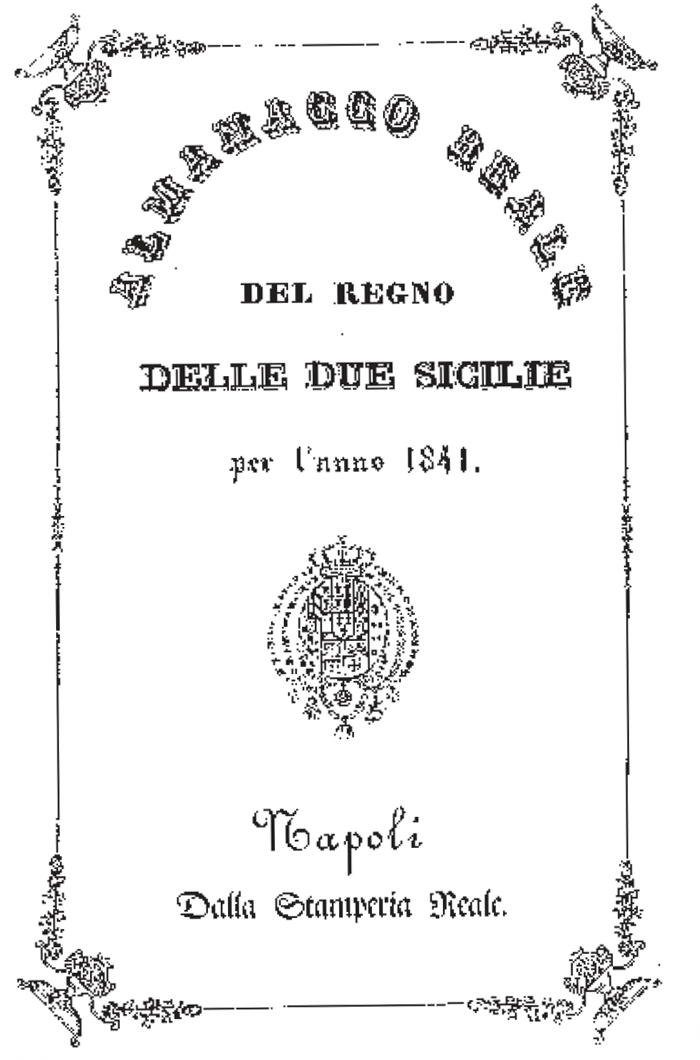
La Chimica industriale e applicata nella Facoltà di Ingegneria dell’Università di Palermo dalle origini al 1923
This insight on the first part of the pathway which led to the widening of the presence of disciplines dealing with applied and industrial Chemistry starts, in 1834, with the institution of the teaching of Chemistry applied to arts and trades and arrives, in 1923, to the stabilization of the school of application for engineers, as institution with legal and administrative autonomy, as premise to the Faculty of Engineering and then to the degree in chemical Engineering.
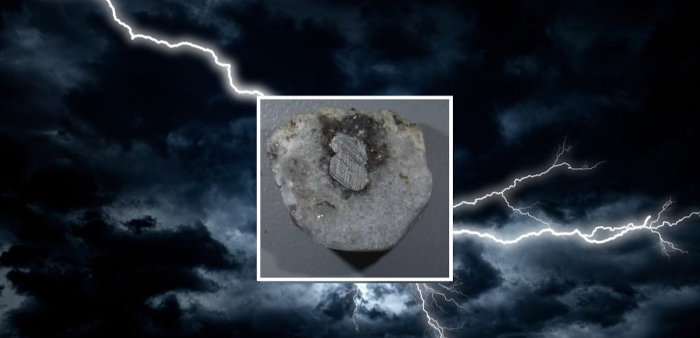

Keywords
-
Decifrare le proteine: un fondamentale aiuto dall’Intelligenza Artificiale
Proteins are key biological macromolecules which play a pivotal role both in living organisms and in chemical and pharmaceutical research. One of the major obstacles in understanding these polymers has long been the experimental determination of their tridimensional structures. This field of research has recently drawn the attention of the major Artificial Intelligence (AI) companies which have developed highly sophisticated algorithms aimed at solving this scientific problem. This article underlines the fact that these AI programs not only have been able to predict the 3-D structures of every known protein found in nature, in the last two years, but also to create artificial proteins from scratch. As a consequence, this will greatly speed up research ranging from designing new drugs to tackling technological and energetic challenges.
-
Principi elementari di reologia dei polimeri: Parte I: fluidi non-Newtoniani
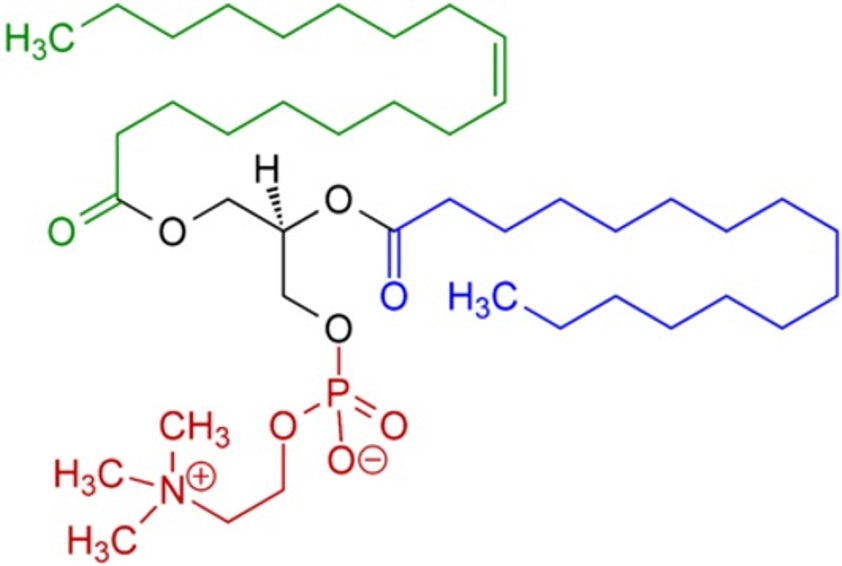
In Elementary Principles of Polymer Rheology, found in the Keywords section of this issue, the fundamentals of viscosity of polymer materials have been introduced and pseudoplastic, dilatant, thixotropic, rheopectic, and plastic non-Newtonian behaviors have been discussed. In this contribution some significant cases of non-Newtonian behavior of common polymers will deal with. It is a very vast subject which often, due to its complexity, is not explored in school programs, but whose knowledge is increasingly required in current technological applications.
Transizione ecologica
-
La fusione nucleare: come distrarci dalle emergenze che dobbiamo affrontare
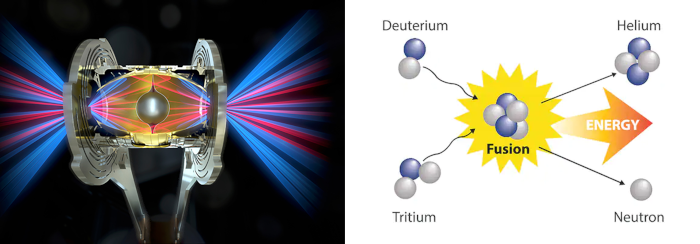
Recently, the idea to use the nuclear fusion for obtaining clean, safe, and inexhaustible energy and, thereby, for solving also the climate crisis, is attracting policy makers and citizens. In the present contribution, the ways to perform the fusion of deuterium and tritium (magnetic and inertial confinement) are briefly described. Then the many problems that still need to be overcome are presented and discussed. As demonstrated by the scientific reports, the nuclear fusion will fail to produce exploitable energy in a near future.
-
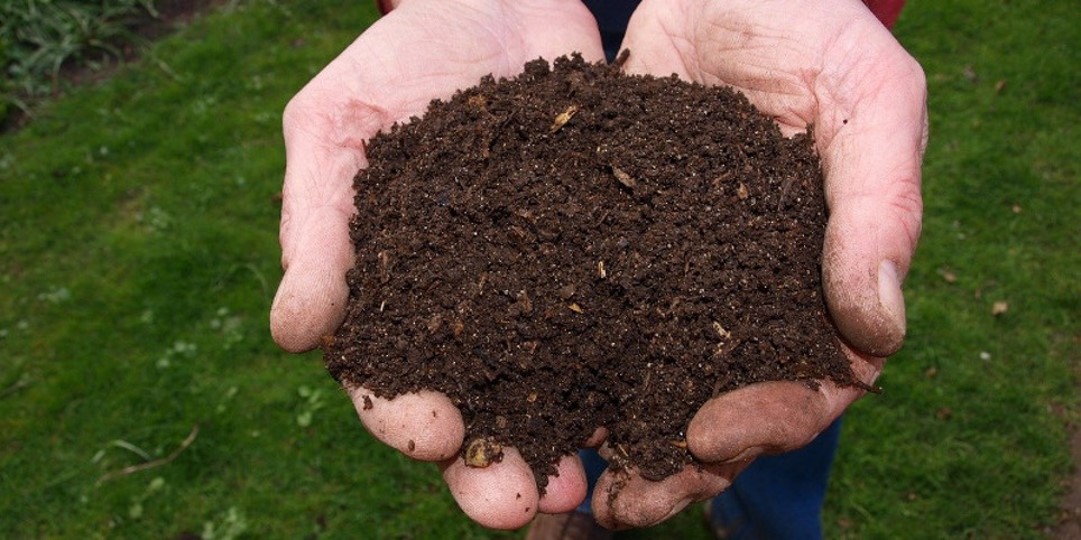
Il ruolo insostituibile del suolo nella produzione primaria e quello del sottosuolo nella transizione ecologica
Starting from the genesis and characteristics of the soil, the article presents the substances essential for plant nourishment and the biochemistry used by plants to perform the various functions. Concerning the underground, the mineral resources and their recycling are briefly discussed, particularly from the ecological transition viewpoint. Finally, some necessary actions to protect soil are indicated.
Qualcosa di nuovo da affrontare nella Scuola Superiore
-

Applicazioni comuni di reologia dei polimeri: Parte I: fluidi non-Newtoniani
Rheology is a highly interdisciplinary approach, transversal to all natural sciences and technologies. Chemistry plays a fundamental role in it, in fact the models at the molecular level are the interpretative key of the experimental data. The mathematics and physics used can be very sophisticated, however using only the fundamental elements of mathematical analysis (supplied to the last years of secondary schools) and the fundamental concepts of structure and molecular interactions it is possible to develop a coherent and rigorous framework. It is certainly useful to the teachers and students of chemistry and, more generally, of natural sciences.