No. 2Le energie rinnovabili in Italia: c’è un ripensamento?
Full Issue
Editoriale
Metodologie didattiche per l'Università
-
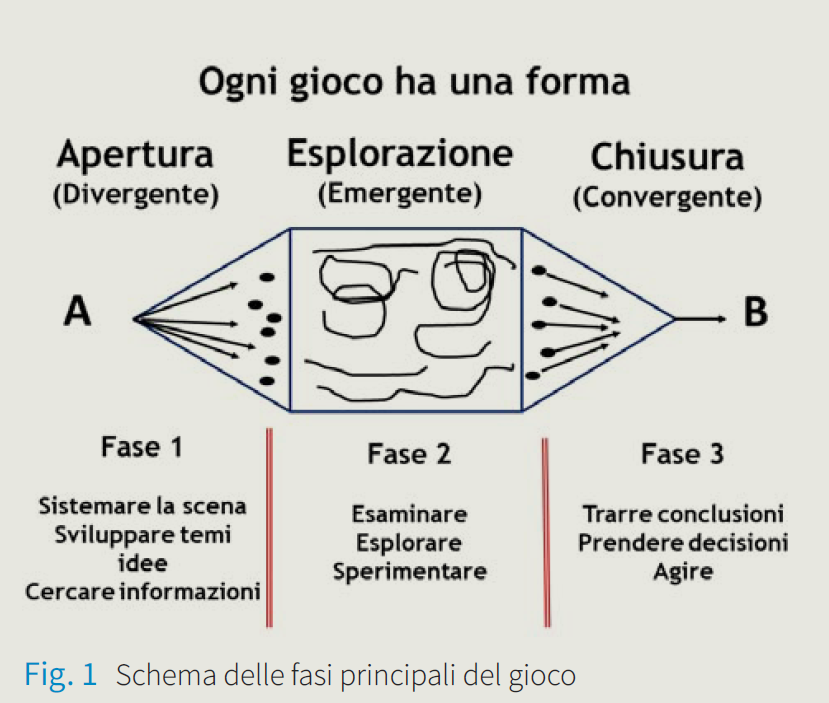
Gamestorming: dalla Silicon Valley alle aule universitarie
In the Chemistry Teaching course for the second level degree in Chemical Sciences at the University of Ferrara we have included several gamestorming techniques, a set of practices developed to facilitate innovation in the business environment. With the appropriate adaptations, they have proved useful for an efficient and fast planning of practical training activities adaptable to various contexts. We will describe the basics of this methodology, and how it has been applied to teaching and dissemination activities.
Percorsi storico epistemologici per la scuola superiore
Percorsi laboratoriali
-
La plastica: un mondo da scoprire
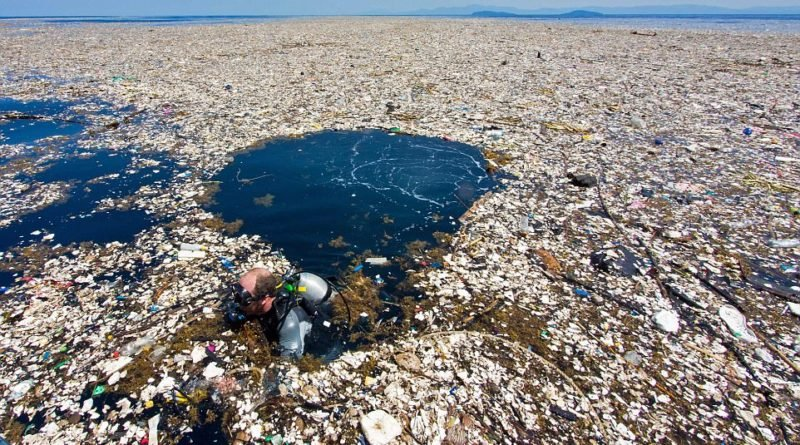
The knowledge of plastic and damages of its use is fundamental nowadays as is the knowledge of correct recycling. Lately we talk a lot about bioplastics, but not everyone knows their nature and their use. Within the learning teaching unit related to the knowledge of plastic and its recycling, the students of II A AFM and II B AFM classes of the Cezzi De Castro Moro Institute of Maglie (LE) conducted a survey aimed, through a statistical analysis of the data collected, to evaluate the level of knowledge about these issues.
-
Un approccio sperimentale allo spin elettronico
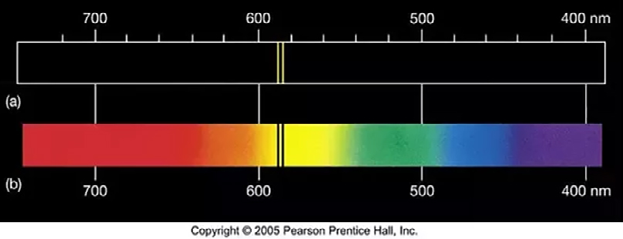
It is known that the concept of electron spin, like that of orbital, should be introduced by using quantum mechanics. Therefore, this concept can be proposed in a fairly rigorous way only for the three years of high school with a chemical orientation, in which until 2010 was included, among other chemistry teachings, also physical chemistry that enabled to adequately treat elements of quantum mechanics. Currently, in the three years at a vocational level of chemistry, physical chemistry is integrated into the three disciplinary fields attributable to the teachings of chemical analytics, organic chemistry, and industrial chemical technologies. Therefore, these elements of quantum mechanics are introduced only within the limits of the possibilities and unfortunately in a theoretical-descriptive way, even if an experimental approach would be appropriate.
Despite the difficulty, this article proposes an “approach” to the concept of electronic spin, as was done years ago in this same magazine for the concept of orbital.
Musei scientifici e didattica
-
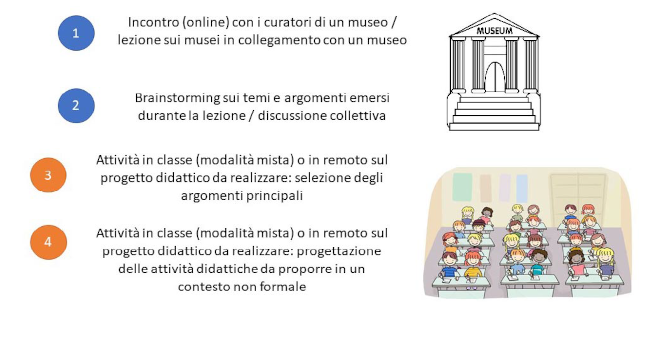
Progettazione di attività didattiche STEAM in ambito museale durante i due anni di pandemia Covid-19
This work reports a discussion about the effect of pandemic Covid-19 on a methodology adopted in a course of ‘Chemical Education’ at the University of Pisa. This course aims to train future chemistry teachers and, since 2013-2014, a new methodology was implemented called ‘STEAM project-based learning’ which is centered on the development of educational activities in the non-formal context, in particular science museums and Open Days. The full description of the methodology is reported in ‘STEAM Project-Based Learning Activities at the Science Museum as an Effective Training for Future Chemistry Teachers’ (V. Domenici, Edu. Sci. 2022, 12, n. 30; see pag. 49 of this issue).
Pagine di storia
-
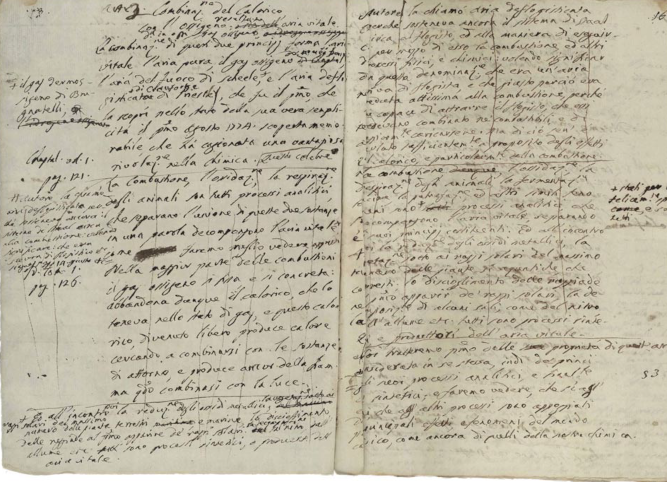
La Chimica a Palermo nel XVIII secolo
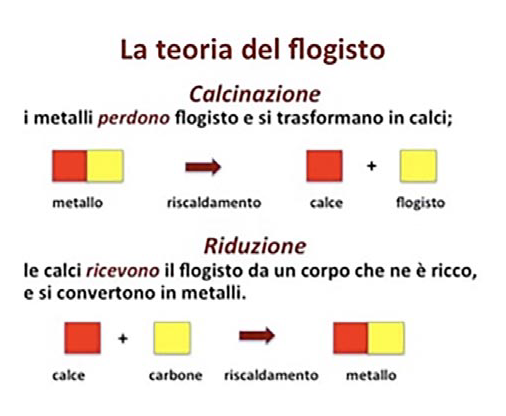
Despite the peripheral position of the city, the new Lavoisier’s chemical theory was taught also in Palermo within few years, thanks to the foresight of local Rulers, and to the thorough and painstaking work of Giovanni Meli (Professor at the Accademia). By renouncing to his phlogistic education, Meli was able to accept it and teach it to his students.
On the contrary, in the 18th century, in the practical field of waters analysis, despite some deliberated attempts to apply the most common qualitative tests, ignorance and lack of the most elementary chemical skills were still predominant.
Transizione ecologica
-
Proposte sul PNRR e una lettera aperta al Governo italiano
Il Gruppo Energia per l’Italia (http://www.energiaperlitalia.it), che è stato presentato ai lettori del CnS nell’ultimo numero del 2021, è particolarmente attivo in questo momento molto delicato per il nostro paese (e non solo).
Si riportano un documento del 4 aprile 2021 elaborato da alcuni membri del Gruppo, che contiene proposte molto chiare e dettagliate per l’utilizzo dei fondi del PNRR, e una lettera aperta al Governo italiano a firma del Coordinatore del Gruppo, ma condivisa da tutti i suoi membri. -