Volume 2, No. 2Chimica nella Scuola n.2 2024
Full Issue
Editoriale

Percorsi laboratoriali per la Scuola Secondaria di secondo grado
-
Formazione Green al Nautico S. Giorgio per cittadini attivi e consapevoli
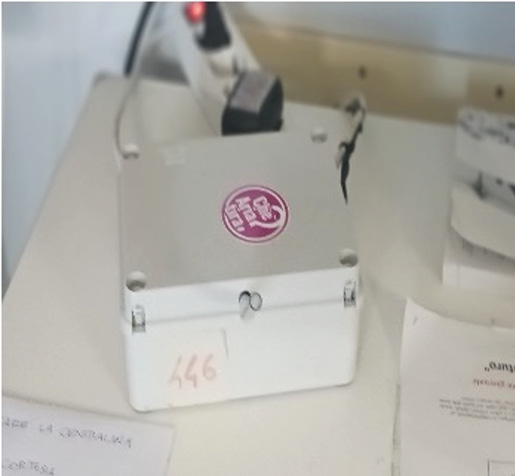
The study presents an innovative, multidisciplinary laboratory for education
and training in ecological transition, involving students directly in monitoring
nitrogen dioxide levels around their residences. This study aims to understand the primary causes of air pollution to enhance attention to eco-sustainability and climate change as a significant segment of the educational curriculum in Italian schools.
Italian schools have a long-standing tradition of developing projects aimed at fostering an understanding of the intricate relationship between humans and the environment.
These educational initiatives promote the integration of various school disciplines
and environmental education, assisting students in synthesizing knowledge
and viewing their academic learning as a tool to comprehend both local and global realities. Furthermore, they help students recognize their roles as active citizens who can contribute to intergenerational air quality preservation through informed and rational choices. -
Consolidamento del concetto di soluzione attraverso un’esperienza laboratoriale
The students of two classes of a scientific high school have been working on a project whose aim was to make them fully understand the fundamental ideas of solution and of other new chemical concepts. The students had to reflect on a question posed by their teachers: why any limoncello is always murky. To find an answer, they took advantage of their teacher’s theoretical explanations, read books and used a laboratory approach which led them to be engaged in practical activities.
Since the idea of this project was born in 2020 and went on in the years following, its side purpose was to help pupils restore those social relationships the COVID-19 pandemic had undermined.
Each part of the whole project has been carried out bearing in mind the following
distinctive sequence: observation - individual verbalization - collective verbalization - shared conclusion. -
Crea il tuo bot-chimico telegram
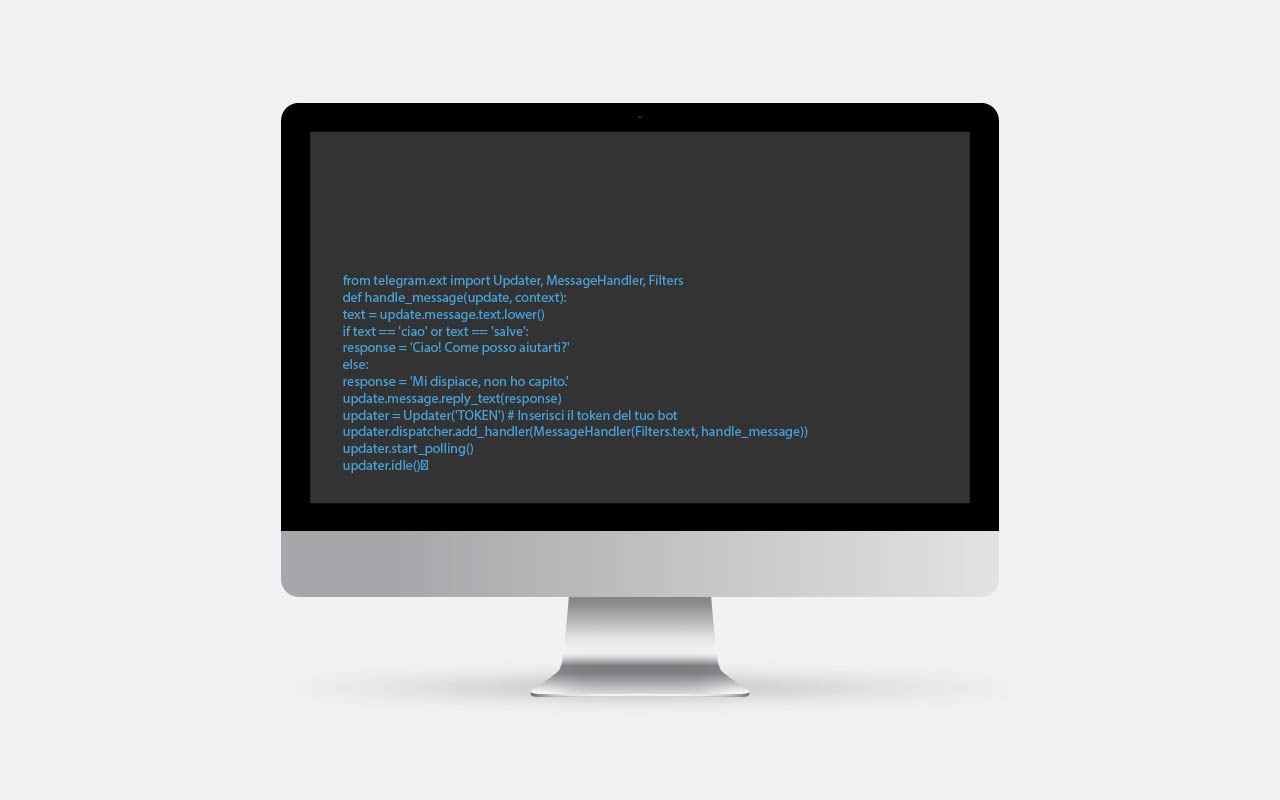
In the digital age we live in, interactive learning has become a fundamental approach to engaging students effectively and stimulating their interest. Chemistry, with its complex formulas and molecular properties, can be a challenging subject for many students. However, recent advancements in artificial intelligence and the widespread availability of scientific data enable us to harness the potential of messaging bots to create innovative educational tools. A Telegram bot is a software application that operates within the Telegram messaging platform. Bots are designed to automate interactions and provide services to users through text-based chats. In the context of this project, the chemical bot on Telegram is developed with the aim of functioning as an interactive chemistry expert. Users can send questions and requests to the bot via chat, and the bot will respond by providing relevant chemical information. The educational significance of creating a Telegram bot extends beyond students specialized in computer science to include chemistry students. The process of developing a chemical bot involves acquiring cross-disciplinary skills that are valuable in various fields of study. By creating a bot, chemistry students can enhance their understanding of programming concepts and gain practical experience in integrating technology into their domain of study. This project provides a guide on creating a chemical bot using Python code executed on Google Colab. It explores how the bot utilizes the PubChemPy library to retrieve chemical information from the PubChem database. Users can interact with the bot, obtaining answers to basic questions such as retrieving the molecular mass of a compound based on its formula. Through the development of a chemical bot, students can develop critical thinking, problem-solving, and communication skills. Moreover, this innovative approach to studying chemistry fosters a deeper understanding of the subject matter and encourages active engagement with technology.
Percorsi didattici per la Scuola primaria
-
Educazione scientifica e/o educazione ambientale
This contribution describes a pedagogical way of addressing the problem of the environmental emergency that combines the method for teaching scientific education with an ecological perspective based on attitudes and behaviors. Starting from knowledge and discovery it is, in fact, possible to build emotional bonds with what we are observing. This is a first approach to the issue which, however, represents an attempt to underline some points useful to start the work in this direction.
-
Alla scoperta dell’acqua! Unità didattica interdisciplinare realizzata in modalità laboratoriale
This paper reports an interdisciplinary teaching unit design for a 4th grade of a primary school and tested in the outskirt of Bologna aimed to investigate three of the properties of water (surface tension, capillarity, and solvent power) by using the “hands-on, minds-on” approach of the 5Es instructional model. The three properties of water were investigated at both macro and sub-micro level. The experiments were designed to be performed autonomously by the students; two atomic theories were explored with multimedial teaching material to deepen the peculiar behavior of water molecule.
Pagine di storia
-
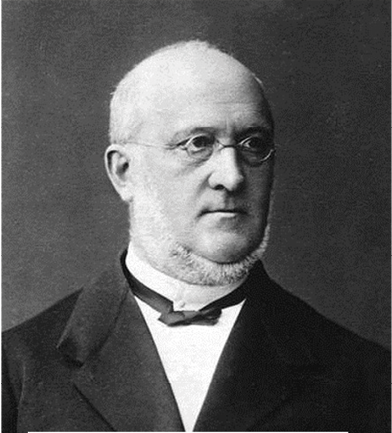
Hermann Kolbe: L’ultimo resistente
With the advent of the structural theory, modern organic chemistry began to develop. Some of the most famous chemists of the time took a cold attitude towards the new theory, others were decidedly against it. Prominent among them was Kolbe, who was decidedly hostile not only towards the structural theory but also towards those who were its greatest supporters.