Interventi didattici volti a superare le concezioni alternative
in chimica: una revisione sistematica della letteratura
Giulia Grotto1, Marco Neviani 2 e Sergio Zappoli 2
1Laurea Magistrale in Didattica e Comunicazione delle Scienze Naturali dell’Università di Bologna; 2Dipartimento di Chimica Industriale “Toso Montanari” dell’Università di Bologna
e-mail: marco.neviani4@unibo.it
Indice
Abstract. Alternative conceptions are widespread, resistant to change, and hinder effective learning. The objective of this research project is to analyze, through a systematic review of the literature, the characteristics, theoretical framework, and effectiveness of instructional interventions aimed at overcoming alternative conceptions in chemistry among secondary school and university students. In November 2024, a systematic review was conducted across 24 databases on the ProQuest portal. The search returned a total of 1,618 articles, which were assessed to determine their compliance with the eligibility criteria. A total of 84 intervention studies were included in the systematic review. The analyzed studies are diverse in terms of duration, included populations, covered topics, theoretical backgrounds, teaching methodologies, and assessment methods. All the interventions demonstrated that the use of an active teaching methodology is more effective than traditional lectures in promoting conceptual change. The adoption of active teaching methods can enhance the learning of chemistry. Future studies could investigate which type of active learning is most effective for specific topics or student groups.
Keywords: concezioni alternative; cambiamento concettuale; apprendimento attivo; socio-costruttivismo
1.1 Concezioni alternative e cambiamento concettuale nella ricerca educativa
Le concezioni alternative in chimica sono oggetto di studio fin dagli anni Settanta del secolo scorso [1, 2] e ancora oggi sono uno dei temi più trattati nella ricerca educativa in chimica [3]. Il termine concezioni alternative indica le differenze qualitative tra i concetti di chi apprende e quelli utilizzati dalla comunità scientifica di riferimento [4], ma sono anche chiamate misconcezioni, concezioni naif, concezioni intuitive, framework alternativi, costrutti personali [5, 6]. Le concezioni alternative sono rappresentazioni della conoscenza che inducono risposte, soluzioni o spiegazioni che differiscono da quelle considerate scientificamente corrette [7, 8]: esse sono persistenti e tendono a resistere al cambiamento concettuale [9], spesso ostacolando la comprensione e lo sviluppo della conoscenza [10-12].
Le concezioni alternative si creano nell’interazione dell’individuo con l’ambiente fisico e culturale e nel caso specifico della chimica la maggior parte delle concezioni alternative proviene dall’istruzione scolastica [1, 13] (school-made misconceptions [6] o didaskalogenic misconceptions [3, 11]). Il noto triangolo proposto da Alex H. Johnstone [14] mostra come diversi livelli di realtà e pensiero entrino in gioco nella chimica (macroscopico, submicroscopico e simbolico): la comprensione delle relazioni tra questi livelli è una delle difficoltà di apprendimento della chimica [15]. In particolare, risulta difficile spiegare i fenomeni macroscopici attraverso il modello particellare [16, 17], generando numerose concezioni alternative [18, 19]. Inoltre, il laboratorio didattico è un ambiente di apprendimento ricco di potenziale, ma presenta rischi per lo sviluppo di concezioni alternative [14, 20]: gli studenti hanno difficoltà nel richiamare la conoscenza necessaria per osservare e descrivere i fenomeni e le variabili in gioco durante le attività laboratoriali, che invece appaiono evidenti o scontate a chi è più esperto [21].
Diversi modelli sono stati sviluppati per descrivere le concezioni alternative e il cambiamento concettuale. Nel modello proposto da Posner [22], considerato il modello “classico” del cambiamento concettuale, le concezioni sono modellizzate come stabili e uniche, ma altri modelli si basano su postulati differenti. Ad esempio, diSessa ha proposto di interpretare le concezioni come il coordinamento estemporaneo di unità di significato più piccole (phenomenological primitives) [23]. Un altro esempio è il modello del profilo concettuale di Mortimer [24], che postula la coesistenza di diversi livelli di concettualizzazione, sia per chi apprende che per le persone esperte; la coesistenza di concezioni differenti è stata più recentemente riaffermata nel lavoro di Potvin e colleghi [1].
Tra le potenziali cause di concezioni alternative imputabili alla didattica annoveriamo: (a) l’uso di analogie, (b) il sovraccarico della memoria di lavoro, (c) il non considerare lo sviluppo intellettivo, (d) non prestare la dovuta attenzione al lessico utilizzato, (e) non considerare le preconoscenze. Si possono però progettare interventi educativi atti a modificarle [4], appoggiandosi sul paradigma socio-costruttivista, per il quale l’apprendimento è un processo situato e le strutture di conoscenza sono validate in funzione del contesto specifico in cui ci si trova [25].
1.2 Scopo della revisione sistematica
Il fenomeno delle concezioni alternative in educazione è ancora osservabile a scuola [13, 26, 27], e sia gli insegnanti in formazione iniziale che quelli in carriera necessitano di formazione per poterle riconoscere e prevenire [28], anche considerando che i risultati della ricerca educativa hanno un impatto limitato sulla scuola [29]. Recentemente è stata sottolineata la necessità di investigare ulteriormente quali approcci didattici facilitino il cambiamento concettuale, rilevando sia il cambiamento delle rappresentazioni che la sua stabilità [30, 31]. Per tali ragioni, questa revisione sistematica della letteratura ha come obiettivo quello di valutare interventi educativi indirizzati verso le concezioni alternative in chimica, identificando le loro caratteristiche principali, il loro quadro teorico di riferimento e i metodi didattici utilizzati.
2.1 Strategia di ricerca
Questa revisione sistematica è stata condotta seguendo un protocollo predefinito, in accordo con le linee guida Preferred Reporting Items for Systematic Reviews and Meta-Analysis (PRISMA) [32].
La ricerca è stata effettuata in 24 database scientifici, utilizzando il portale ProQuest nel novembre 2024, ed è stata ristretta ad articoli, scritti in lingua inglese, pubblicati in riviste peer reviewed tra il 2014 e il 2024. La stringa di ricerca combina con operatori booleani le parole-chiave dei tre assi della ricerca (“misconceptions”, “chemistry”, e “students”) e i loro sinonimi. La lista completa dei database e la stringa di ricerca sono riportate nell’Appendice A. Due autori (MN e GG) hanno revisionato indipendentemente gli studi ottenuti in un processo a due fasi, escludendo inizialmente le pubblicazioni non pertinenti sulla base di titolo e abstract e, successivamente, leggendo l’intero testo dell’articolo. I disaccordi sono stati risolti tramite discussione e consultando un terzo autore (SZ).
2.2 Criteri di inclusione ed esclusione
La domanda alla base della revisione è stata definita in anticipo utilizzando il protocollo PICO (Population, Intervention, Comparison, Outcome) [33]. Sono stati inclusi nella revisione sistematica gli studi che rispondevano ai seguenti criteri di inclusione:
• valutavano l’efficacia di interventi didattici per affrontare concezioni alternative in chimica;
• erano condotti a livello di istruzione secondaria o terziaria;
• avevano impiegato un disegno di studio controllato o pre-post test;
• erano stati pubblicati tra il 2014 e il 2024;
• erano stati pubblicati in riviste peer-reviewed;
• erano scritti in lingua inglese.
2.3 Estrazione e analisi dei dati
Le caratteristiche e i risultati degli studi inclusi sono stati estratti attraverso un’analisi tematica e riportati in una presentazione tabellare (Materiale Supplementare). È stata eseguita una categorizzazione di alcune delle variabili qualitative (argomento, fondamenti teorici, metodologia didattica) al fine di permetterne l’analisi (Tabella 1).
Tabella 1. Categorizzazione delle variabili qualitative
|
Variabile |
Categoria |
Esempi presenti negli studi inclusi |
|
Argomento |
Struttura atomica |
Struttura atomica, orbitali, numeri quantici, configurazione elettronica |
|
Struttura molecolare e legami |
Struttura di Lewis, simmetria, struttura molecolare, teoria VSEPR, legami, polarità |
|
|
Termochimica |
Entalpia, entropia, spontaneità |
|
|
Elettrochimica e reazioni redox |
||
|
Equilibrio chimico |
Principio di Le Châtelier |
|
|
Cinetica |
Velocità di reazione |
|
|
Reazioni chimiche |
Reazioni, trasformazioni chimiche e fisiche, stechiometria, rapporto molare |
|
|
Soluzioni e miscugli |
Solubilità, solvatazione, concentrazioni |
|
|
Acidi e basi |
Neutralizzazione, titolazione, forza di acidi e basi, idrolisi di sali, pH |
|
|
Stati della materia |
Proprietà degli stati, gas ideali |
|
|
Chimica organica e biochimica |
Alcheni, metaboliti secondari, macromolecole |
|
|
Chimica analitica |
Cromatografia su strato sottile |
|
|
Risoluzione di problemi |
||
|
Modello particellare della materia |
||
|
Elementi e composti, nomenclatura, tavola periodica |
||
|
Legami intermolecolari |
Legami deboli, legami a idrogeno |
|
|
Fondamenti teorici |
Costruttivismo Cambiamento concettuale Aspetti sociali Cognitivismo |
|
|
Apprendimento significativo |
||
|
Motivazione |
||
|
Metacognizione |
||
|
Tre livelli della chimica (Johnstone) |
||
|
Conoscenza dei contenuti e conoscenza pedagogica dei contenuti |
||
|
Metodologie didattiche |
Apprendimento cooperativo |
Apprendimento cooperativo, collaborativo, educazione tra pari |
|
Apprendimento basato sull’indagine |
Modello 5E, Prevedere-Osservare-Spiegare (POE) |
|
|
Apprendimento basato sul contesto |
Apprendimento basato sul contesto e su problemi |
|
|
Flipped classroom |
||
|
Analogie |
||
|
Mappe concettuali |
||
|
Argomentazione |
||
|
Gamification |
||
|
Conceptual Change Text |
||
|
Visual learning |
3.1 Selezione degli studi
La ricerca iniziale ha prodotto un totale di 1618 citazioni, 84 dei quali hanno soddisfatto i criteri di inclusione. Il processo di selezione degli studi è descritto in dettaglio nella figura A1 dell’Appendice A, mentre un elenco completo degli studi inclusi è fornito nell’Appendice B.
3.2 Caratteristiche generali degli studi
Per quanto riguarda l’anno di pubblicazione, la distribuzione è irregolare, con un massimo nell’anno 2018 (13 articoli) e un minimo nel 2022 (3 articoli). Gli studi sono stati condotti in 21 diverse nazioni, con una più alta rappresentanza della Turchia (n = 26, 31%), e degli Stati Uniti (n = 17, 20%), anche se la maggior parte degli studi è stata condotta in Asia (n = 48, 57%).
La Tabella 2 riporta in dettaglio l’origine degli studi.
Tabella 2. Numero di pubblicazioni per stato e continente
|
Continente |
Nazione |
Numero totale per nazione |
Numero totale per continente |
|
Asia |
India |
2 |
48 |
|
Malesia |
3 |
||
|
Indonesia |
8 |
||
|
Cina |
2 |
||
|
Brunei |
1 |
||
|
Tailandia |
4 |
||
|
Taiwan |
1 |
||
|
Giappone |
1 |
||
|
Turchia (transcontinentale) |
26 |
||
|
Africa |
Ghana |
5 |
7 |
|
Etiopia |
1 |
||
|
Zimbabwe |
1 |
||
|
Europa |
Spagna |
2 |
8 |
|
Grecia |
2 |
||
|
Regno Unito |
3 |
||
|
Finlandia |
1 |
||
|
Nord America |
Stati Uniti |
17 |
17 |
|
Oceania |
Nuova Zelanda |
1 |
2 |
|
Australia |
1 |
||
|
Sud America |
Brasile |
1 |
2 |
|
Messico |
1 |
Più di un terzo degli studi è stato pubblicato su due principali riviste scientifiche: Journal of Chemical Education (n = 17), e Chemistry Education Research and Practice (n = 12). Gli altri 55 studi (65%) sono stati pubblicati in 41 differenti riviste, come viene presentato nella Tabella A1 dell’Appendice A.
3.3 Caratteristiche dei campioni degli studi inclusi
Le dimensioni dei campioni variavano da un minimo di 8 a un massimo di 574 partecipanti. La distribuzione è fortemente asimmetrica (primo quartile pari a 36, mediana pari a 62, il terzo quartile pari a 107), con pochi studi che hanno campioni di dimensioni eccezionalmente grandi rispetto alla maggioranza.
La metà degli interventi è stata condotta in scuole secondarie (n = 44, 52%), mentre 38 studi (45%) hanno coinvolto studenti universitari. Tra gli studi condotti nelle università, 13 includono insegnanti in formazione iniziale, mentre due studi riguardano livello post secondario, ma non universitario. Questa distribuzione tra i livelli scolari permette di occuparsi di contesti, argomenti e livelli di concettualizzazione diversi. È significativa l’assenza di studi su docenti in servizio, alla luce delle evidenze che essi possiedono le stesse concezioni alternative degli studenti [34, 35].
3.4 Caratteristiche degli interventi didattici
Tra gli 84 interventi, 45 (54%) prevedevano un gruppo di controllo, mentre 39 (46%) utilizzavano un disegno dello studio del tipo prima-dopo. I ricercatori prediligono approcci diversi (disegno sperimentale, dimensione del campione, valutazioni quantitative o qualitative) sulla base dei paradigmi di riferimento e degli obiettivi di ricerca [36]: è importante che diversi approcci coesistano, in modo che la comunità scientifica possa integrare le diverse informazioni ottenute sul processo di insegnamento-apprendimento.
La maggior parte degli studi ha una durata compresa tra una e quattro settimane (n = 29, 35%) o tra uno e tre mesi (n = 21, 25%). Quindici interventi (18%) erano stati erogati in una singola lezione o giornata, tre (4%) duravano da uno a sette giorni e sei (7%) si estendevano oltre i tre mesi. Dieci studi (12%) non hanno riportato chiaramente la durata dell’intervento.
L’analisi degli argomenti di chimica affrontati negli interventi didattici ha permesso l’identificazione di 16 categorie tematiche, riportate in Tabella 3: l’argomento più frequentemente trattato è “struttura molecolare e legami”, presente nel 20% delle pubblicazioni (n = 17).
Tabella 3. Numero di interventi per argomento didattico; il numero totale di argomenti supera il numero di studi inclusi, indicando che alcuni interventi hanno affrontato più argomenti
|
Argomenti di chimica affrontati |
Numero interventi |
|
Struttura molecolare e legami |
17 |
|
Chimica organica e biochimica |
11 |
|
Termochimica |
9 |
|
Elettrochimica e reazioni redox |
8 |
|
Equilibrio chimico |
8 |
|
Soluzioni e miscugli |
8 |
|
Acidi e basi |
7 |
|
Stati della materia |
7 |
|
Reazioni chimiche |
6 |
|
Cinetica |
5 |
|
Struttura atomica |
4 |
|
Elementi e composti |
4 |
|
Chimica analitica |
2 |
|
Modello particellare della materia |
2 |
|
Risoluzione di problemi |
1 |
|
Legami intermolecolari |
1 |
|
Argomenti multipli |
1 |
|
Dato non disponibile |
1 |
3.5 Fondamenti teorici
Più della metà degli studi (Tabella 4) ha citato il costruttivismo come quadro concettuale, seguito da cambiamento concettuale, gli aspetti motivazionali, i tre livelli della chimica di Johnstone e gli aspetti sociali dell’apprendimento. Gli sviluppi recenti della psicologia dell’apprendimento sottolineano l’importanza dei sistemi di regolazione nell’espressione delle conoscenze, così come il ruolo dei domini affettivi nell’apprendimento concettuale (“cambiamento concettuale caldo”) [37]. Perciò, è importante che vengano sviluppati metodi di ricerca che permettano di mostrare la natura complessa dell’apprendimento concettuale. Gli autori dovrebbero riportare il proprio quadro teorico di riferimento [38], ma il 17% degli studi inclusi non dichiara le proprie teorie di riferimento.
Tabella 4. Distribuzione dei fondamenti teorici degli studi; il numero totale supera il numero degli studi inclusi, indicando che alcuni interventi hanno riportato più fondamenti teorici
|
Fondamenti teorici |
Numero interventi |
|
Costruttivismo |
44 |
|
Cambiamento concettuale |
30 |
|
Aspetti motivazionali |
24 |
|
Tre livelli della chimica (triangolo di Johnstone) |
17 |
|
Apprendimento sociale |
11 |
|
Apprendimento significativo |
9 |
|
Metacognizione |
9 |
|
Cognitivismo |
6 |
|
Conoscenza pedagogica dei contenuti |
2 |
|
Dato non disponibile |
14 |
3.6 Metodi e strumenti didattici
Tutti gli studi inclusi hanno utilizzato metodologie didattiche attive. Come mostrato nella Tabella 5, l’apprendimento cooperativo è stato il metodo più comunemente utilizzato (40%), seguito dall’apprendimento basato sull’indagine (21, 25%). Il 37,44% ha utilizzato una combinazione di più metodologie didattiche, mentre 16 studi (19%) non hanno specificato il tipo di metodologia didattica utilizzata. Inoltre, 29 studi (35%) hanno utilizzato la tecnologia digitale a supporto dell’apprendimento e 23 studi hanno impiegato modelli tridimensionali, grafici o fisici (di cui 10 hanno utilizzato modelli digitali). Infine, 17 studi (20%) comprendono attività pratiche svolte in laboratorio.
Tabella 5. Distribuzione di metodi e strumenti didattici
|
Metodologia didattica |
Numero studi |
|
Apprendimento cooperativo |
34 |
|
Apprendimento basato sull’indagine |
21 |
|
Apprendimento basato sul contesto |
11 |
|
Apprendimento visivo |
11 |
|
Testi sul cambiamento concettuale |
5 |
|
Analogie |
5 |
|
Argomentazione |
4 |
|
Flipped classroom |
3 |
|
Mappe concettuali |
3 |
|
Gamification |
2 |
|
Valutazione formativa |
1 |
|
Combinazione di più categorie |
37 |
|
Dato non fornito |
16 |
3.7 Metodi di valutazione
Tradizionalmente la ricerca sulle concezioni si avvale di test concettuali (spesso progettati come test multi-livello), mappe concettuali, disegni, associazioni di parole, V-diagram [4, 39, 40]. I risultati di questa revisione confermano tale andamento: l’efficacia degli interventi è stata valutata attraverso test strutturati nella maggior parte degli studi (n = 77, 92%). Altri metodi di valutazione includevano l’analisi di disegni e rappresentazioni (n = 8, 10%), elaborati (n = 5, 6%) e il rendimento negli esami (n = 5, 6%). Tredici studi (15%) hanno valutato l’efficacia dell’intervento attraverso una combinazione di questi metodi.
Inoltre, a causa della natura sfaccettata dell’apprendimento concettuale, il 44% degli studi impiega anche approcci qualitativi (interviste, focus group o osservazioni in classe). Uno studio ha valutato l’efficacia dell’intervento esclusivamente attraverso metodi qualitativi (interviste semi-strutturate).
In 12 studi (14%) è stato somministrato un post-test ritardato, per valutare la stabilità nel tempo del cambiamento concettuale. Il 42% (n = 32) degli studi che hanno impiegato test strutturati come strumento di valutazione ha utilizzato test a più livelli (2, 3 o 4 livelli). Infine, in 57 studi (68%) sono stati utilizzati strumenti di valutazione validati.
3.8 Risultati di efficacia
Tutti gli studi inclusi nella revisione sistematica hanno riportato un certo grado di efficacia degli interventi nel ridurre le concezioni alternative. Una caratteristica comune a tutti gli 84 interventi è l’uso di metodologie didattiche attive, che hanno costantemente prodotto risultati migliori rispetto agli approcci tradizionali.
A causa della notevole eterogeneità nella progettazione degli interventi, nelle popolazioni incluse e nei metodi di valutazione utilizzati, non è stato possibile condurre un’analisi quantitativa per determinare quali tipi di interventi o metodologie didattiche fossero più efficaci. Inoltre, alcuni studi hanno riportato risultati qualitativi, mentre altri hanno presentato solo risultati quantitativi, limitando ulteriormente la possibilità di confronti diretti. Ulteriori fonti di eterogeneità includevano differenze nella durata dell’intervento, negli argomenti didattici e nelle modalità di attuazione degli interventi, che hanno anch’esse ostacolato l’identificazione di modelli coerenti tra gli studi.
Questo risultato conferma che l’insegnamento trasmissivo è inefficace nel promuovere il cambiamento concettuale [41-43]. Si può, quindi, mettere in discussione l’utilità della lezione tradizionale come metodo di controllo per gli studi: sarebbe più utile verificare quali metodi attivi siano maggiormente efficaci per diversi argomenti o popolazioni.
Questa revisione sistematica ha alcuni limiti. In primo luogo, non è stata effettuata una valutazione della qualità degli studi: nonostante esistano numerosi strumenti, sviluppati in ambito biomedicale, per valutare il rischio di bias e la qualità di un intervento [44-47], essi non sono adatti al contesto educativo. Alcuni autori, inoltre, rifiutano l’idea che sia necessario valutare la qualità degli studi inclusi, sottolineando la maggior importanza della pertinenza degli studi allo scopo della revisione [48]. In secondo luogo, l’inclusione solo di studi pubblicati in riviste peer-reviewed porta all’esclusione della così detta letteratura grigia. Infine, l’assenza di studi che riportino risultati negativi potrebbe riflettere un bias di pubblicazione.
Gli 84 studi inclusi e analizzati in questa revisione sistematica mostrano che i metodi di insegnamento attivo sono più efficaci della lezione tradizionale nel promuovere il superamento delle concezioni alternative per gli studenti di scuola secondaria e universitari. Questo risultato conferma la necessità di proseguire nella transizione da un insegnamento tradizionale, incentrato sull’insegnante, a un insegnamento attivo, incentrato sullo studente. In questa prospettiva gli studi futuri dovrebbero concentrarsi sul confronto tra diverse metodologie attive, così da identificare quali sono più efficaci per diverse popolazioni e argomenti, valutando il loro effetto sull’apprendimento dei concetti anche a lungo termine.
I set di dati utilizzati e/o analizzati nel corso del presente studio sono disponibili presso l’autore corrispondente, previa richiesta motivata.
[1] P. Potvin, G. Malenfant-Robichaud, C. Cormier, S. Masson, Coexistence of misconceptions and scientific conceptions in chemistry professors: a mental chronometry and fMRI study, Front. Educ., 2020, vol. 5 (https://doi.org/10.3389/feduc.2020.542458).
[2] M. R. Matthews, Thomas Kuhn and science education, Sci. Educ., 2022, Dec. 13, 1-70 (10.1007/s11191-022-00408-1).
[3] M. M. Cooper, R. L. Stowe, Chemistry education research - From personal empiricism to evidence, theory, and informed practice, Chem. Rev., 2018, 118(12), 6053-6087 (10.1021/acs.chemrev.8b00020).
[4] H.-J. Schmidt, Students’ misconceptions? Looking for a pattern, Sci. Educ., 1997, 81(2), 123-135 (10.1002/(SICI)1098-237X(199704)81:2%3C123::AID-SCE1%3E3.0.CO;2-H).
[5] B.-S. Eylon, M. C. Linn, Learning and instruction: an examination of four research perspectives in science education, Rev. Educ. Res., 1988, 58(3), 251-301 (10.3102/00346543058003251).
[6] H.-D. Barke, A. Hazari, S. Yitbarek, Misconceptions in Chemistry, Springer, Berlin Heidelberg, 2009 (10.1007/978-3-540-70989-3).
[7] B. C. Mondal, A. Chakraborty, Misconceptions in Chemistry, LAMBERT Academic Publishing, London, 2013.
[8] S. Sunyono, L. Tania, A. Saputra, A. Saputra, A learning exercise using simple and real-time visualization tool to counter misconceptions about orbitals and quantum numbers, J. Balt. Sci. Educ., 2016, 15(4), 452-463 (https://doi.org/10.33225/jbse/16.15.452).
[9] M. T. H. Chi, J. D. Slotta, N. De Leeuw, From things to processes: a theory of conceptual change for learning science concepts, Learn. Instr., 1994, vol. 4(1), 27-43 (doi: 10.1016/0959-4752(94)90017-5).
[10] Y. Boz, Turkish prospective chemistry teachers’ alternative conceptions about acids and bases, Sch. Sci. Math., 2009, 109(4), 212-222 (doi: 10.1111/j.1949-8594.2009.tb18259.x).
[11] M. I. Stojanovska, B. T. Soptrajanov, V. M. Petrusevski, Addressing misconceptions about the particulate nature of matter among secondary-school and high-school students in the Republic of Macedonia, Creat. Educ., 2012, 3(5), 619-631 (doi: 10.4236/ce.2012.35091).
[12] R. Karplus, Chemical phenomena in elementary school science, J. Chem. Educ., 1996, 43(5), 267 (doi: 10.1021/ed043p267).
[13] K. S. Taber, Building the structural concepts of chemistry: some considerations from educational research, Chem. Educ. Res. Pr., 2001, 2(2), 123-158 (doi: 10.1039/B1RP90014E).
[14] A. H. Johnstone, Why is science difficult to learn? Things are seldom what they seem, J. Comput. Assist. Learn., 1991, 7(2), 75-83 (doi: 10.1111/j.1365-2729.1991.tb00230.x).
[15] W. B. Jensen, Logic, history, and the chemistry textbook I. Does chemistry have a logical structure?, J. Chem. Educ., 1998, 75(6), 679.
[16] M. Çalýk, A. Ayas, J. V. Ebenezer, A review of solution chemistry studies: insights into students’ conceptions, J. Sci. Educ. Technol., 2005, 14(1), 29-50 (doi: 10.1007/s10956-005-2732-3).
[17] A. L. Chandrasegaran, D. F. Treagust, M. Mocerino, An evaluation of a teaching intervention to promote students’ ability to use multiple levels of representation when describing and explaining chemical reactions, Res. Sci. Educ., 2008, 38(2), 237-248 (doi: 10.1007/s11165-007-9046-9).
[18] D. F. Treagust, A. L. Chandrasegaran, J. Crowley, B. H. W. Yung, I. P.-A. Cheong, J. Othman, Evaluating students’ understanding of kinetic particle theory concepts relating to the states of matter, changes of state and diffusion: a cross-national study, Int. J. Sci. Math. Educ., 2010, 8(1), 141-164 (doi: 10.1007/s10763-009-9166-y).
[19] R. Ben-Zvi, B.-S. Eylon, J. Silberstein, Is an atom of copper malleable?, J. Chem. Educ., 1986, 63(1), 64 (doi: 10.1021/ed063p64).
[20] A. H. Johnstone, Chemistry teaching - Science or alchemy? 1996 Brasted lecture, J. Chem. Educ., 1997, 74(3), 262 (doi: 10.1021/ed074p262).
[21] J. D. Novak, Application of advances in learning theory and philosophy of science to the improvement of chemistry teaching, J. Chem. Educ., 1984, 61(7), 607 (doi: 10.1021/ed061p607).
[22] G. J. Posner, K. A. Strike, P. W. Hewson, W. A. Gertzog, Accommodation of a scientific conception: toward a theory of conceptual change, Sci. Educ., 1982, 66(2), 211-227 (doi: 10.1002/sce.3730660207).
[23] A. A. diSessa, Knowledge in pieces, in Constructivism in the computer age (Eds., G. Forman, P. B. Pufall), Lawrence Erlbaum Associates, Inc, 1988, pp. 49-70.
[24] E. F. Mortimer, Conceptual change or conceptual profile change?, Sci. Educ., 1995, 4(3), 267-285 (doi: 10.1007/BF00486624).
[25] L. S. Vygotsky, Mind in society: development of higher psychological processes, Harvard University Press, 1978 (doi: 10.2307/j.ctvjf9vz4).
[26] M. Sozbilir, Turkish chemistry undergraduate students’ misunderstandings of Gibbs free energy, U. Chem. Ed., 2002, 6, 73-82.
[27] A. R. Suparman, E. Rohaeti, S. Wening, Student misconception in chemistry: a systematic literature review, Pegem J. Educ. Instr., 2024, 14(2), 238-252 (doi: 10.47750/pegegog.14.02.28).
[28] M. Stojanovska, V. Petrusevski, H.-G. Köller, S. Karlsen, Students’ alternative conceptions and ways to overcome them, in A guidebook of good practice for the pre-service training of chemistry teachers, Faculty of Chemistry, Jagiellonian University in Krakow, 2015, pp. 177-202.
[29] A. E. J. Bowen, R. A. Ferreira, A. Tolmie, M. S. C. Thomas, G. Borst, J. Van Herwegen, International perspectives on gaps and solutions for integrating research evidence into classroom practices, NPJ Sci. Learn., 2025, 10, 79 (doi: 10.1038/s41539-025-00370-x).
[30] T. W. Teo, M. T. Goh, L. W. Yeo, Chemistry education research trends: 2004-2013, Chem. Educ. Res. Pract., 2014, 15(4), 470-487 (doi: 10.1039/C4RP00104D).
[31] M. H. Towns, A. Kraft, Review and synthesis of research in chemical education from 2000-2010, in Second Committee Meeting on the Status, Contributions, and Future Directions of Discipline-Based Education Research, Washington, October, 2011.
[32] M. J. Page et al., The PRISMA 2020 statement: an updated guideline for reporting systematic reviews, BMJ, 2021, 372, n71 (doi: 10.1136/bmj.n71).
[33] C. Stern, Z. Jordan, A. McArthur, Developing the review question and inclusion criteria, AJN, Am. J. Nurs., 2014, 114(4), 53-56 (doi: 10.1097/01.NAJ.0000445689.67800.86).
[34] R. Vladusic, R. B. Bucat, M. Ozic, Understanding covalent bonding – a scan across the Croatian education system, Chem. Educ. Res. Pract., 2023, 24(1), 108-131 (doi: 10.1039/D2RP00039C).
[35] S. Magnusson, J. Krajcik, Borko, Nature, sources, and development of pedagogical content knowledge for science teaching, in Examining pedagogical content knowledge (Eds., J. Gess-Newsome, N. G. Lederman) Science & Technology Education Library, Springer, Dordrecht, 1999, vol. 6, pp. 95-132 (doi: 10.1007/0-306-47217-1_4).
[36] G. Benvenuto, Stili e metodi della ricerca educativa, Collana Studi Superiori, Carocci Editore. Roma, 2015.
[37] L. Mason, Psicologia dell’apprendimento e dell’istruzione, terza edizione, Collana Manuali, Il Mulino, Bologna, 2019.
[38] American Educational Research Association, Standards for reporting on empirical social science research in AERA publications, Educational researcher, 2006, 35(6), 33-40.
[39] E. Taş, S. Gülen, Z. Öner, C. Özyürek, The effects of classic and web-designed conceptual change texts on the subject of water chemistry, International Electronic Journal of Elementary Education, 2015, 7(2), 263-280.
[40] H. G. Seyhan, G. E. Türk, The effect of argumentation-supported problem-based learning method in teaching chemical equilibrium and Le-Chatelier’s principle, Mimbar Sekolah Dasar, 2022, 9(3), 413-430 (doi: 10.53400/mimbar-sd.v9i3.45585).
[41] G. M. Bodner, I have found you an argument: the conceptual knowledge of beginning chemistry graduate students, J. Chem. Educ., 1991, 68(5), 385 (doi: 10.1021/ed068p385).
[42] S. L. Westbrook, E. A. Marek, A cross-age study of student understanding of the concept of diffusion, J. Res. Sci. Teach., 1991, 28(8), 649-660 (doi: 10.1002/tea.3660280803).
[43] J. J. Hesse, C. W. Anderson, Students’ conceptions of chemical change, J. Res. Sci. Teach., 1992, 29(3), 277-299.
[44] J. A. C. Sterne et al., RoB 2: a revised tool for assessing risk of bias in randomised trials, BMJ, 2019, 366, l4898 (doi: 10.1136/bmj.l4898).
[45] J. A. Sterne et al., ROBINS-I: a tool for assessing risk of bias in non-randomised studies of interventions, BMJ, 2016, 355, i4919 (doi: 10.1136/bmj.i4919).
[46] H.-J. Seo, S. Y. Kim, Y. J. Lee, J.-E. Park, RoBANS 2: a revised risk of bias assessment tool for nonrandomized studies of interventions, Korean J. Fam. Med., 2023, 44(5), 249-260 (doi: 10.4082/kjfm.23.0034).
[47] A. Stang, Critical evaluation of the Newcastle-Ottawa scale for the assessment of the quality of nonrandomized studies in meta-analyses, Eur. J. Epidemiol., 2010, 25(9), 603-605 (doi: 10.1007/s10654-010-9491-z).
[48] D. Gough, J. Thomas, S. Oliver, Clarifying differences between review designs and methods, Syst. Rev., 2012, 1(1), 28 (doi: 10.1186/2046-4053-1-28).
Stringa di ricerca
(ABSTRACT( (misconception* OR misunderstand* OR “alternat* concept*” OR “frame* concept*” OR “concept* chang*” OR “pre?concept*”) AND (chemi*) AND (under?graduate* OR “high school*” OR “secondary” OR student* OR teacher* OR “teaching strat*” OR “universit*” OR “college*” OR “preservice teacher*” OR “prospective teacher*” OR “post?secondary” OR “tertiary”)) OR IF((misconception* OR misunderstand* OR “alternat* concept*” OR “frame* concept*” OR “concept* chang*” OR “pre?concept*”) AND (chemi*) AND (under?graduate* OR “high school*” OR “secondary” OR student* OR teacher* OR “teaching strat*” OR “universit*” OR “college*” OR “preservice teacher*” OR “prospective teacher*” OR “post?secondary” OR “tertiary”) ) OR SUBJECT( (misconception* OR misunderstand* OR “alternat* concept*” OR “frame* concept*” OR “concept* chang*” OR “pre?concept*”) AND (chemi*) AND (under?graduate* OR “high school*” OR “secondary” OR student* OR teacher* OR “teaching strat*” OR “universit*” OR “college*” OR “preservice teacher*” OR “prospective teacher*” OR “post?secondary” OR “tertiary”)) OR TITLE((misconception* OR misunderstand* OR “alternat* concept*” OR “frame* concept*” OR “concept* chang*” OR “pre?concept*”) AND (chemi*) AND (under?graduate* OR “high school*” OR “secondary” OR student* OR teacher* OR “teaching strat*” OR “universit*” OR “college*” OR “preservice teacher*” OR “prospective teacher*” OR “post?secondary” OR “tertiary”) )) AND stype.exact(“Scholarly Journals” OR “Dissertations & Theses” OR “Reports”) AND at.exact(“Article” OR “Report” OR “Dissertation/Thesis” OR “Review” OR “Editorial” OR “Undefined” OR “Literature Review” OR “Case Study” OR “Statistics/Data Report”) AND la.exact(“ENG”)
Lista dei databases utilizzati
Australia & New Zealand Database
Career & Technical Education Database
Continental Europe Database
East & South Asia Database
East Europe, Central Europe Database
Ebook Central
Education Collection
India Database
International Bibliography of the Social Sciences (IBSS)
Latin America & Iberia Database
Library & Information Science Collection
Materials Science Collection
Middle East & Africa Database
Natural Science Collection
ProQuest Dissertations & Theses Global
Psychology Database
Publicly Available Content Database
Research Library
Science Database
Social Science Database
Sociology Collection
Telecommunications Database
Turkey Database
UK & Ireland Database
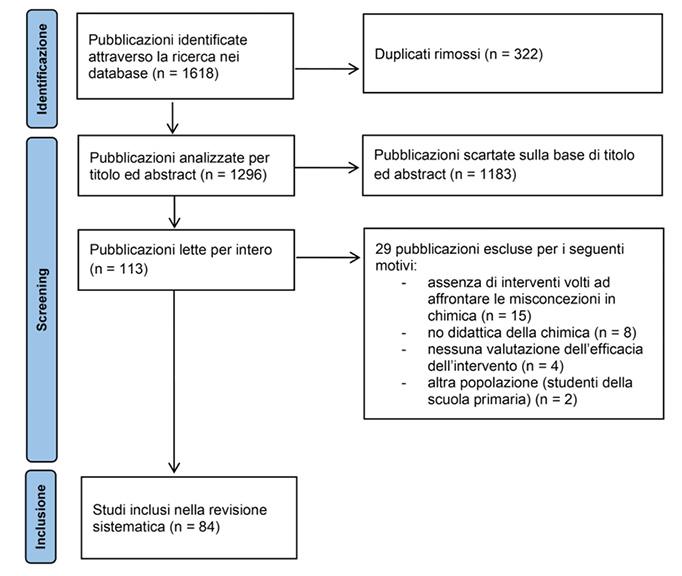
Figura A1. Diagramma preferred reporting items for systematic reviews and meta-analyses (PRISMA)
Tabella A1. Numero di pubblicazioni per giornale
|
Nome della rivista |
Numero pubblicazioni |
|
Journal of Chemical Education |
17 |
|
Chemistry Education Research and Practice |
12 |
|
Research in Science & Technological Education |
4 |
|
Chemistry Education Research and Practice in Europe |
3 |
|
Journal of Baltic Science Education |
3 |
|
Science Education International |
2 |
|
International Journal of Science and Mathematics Education |
2 |
|
Asia-Pacific Forum on Science Learning and Teaching |
2 |
|
Journal of Turkish Science Education |
2 |
|
Journal of Physics: Conference Series |
2 |
|
International Journal of Science and Research |
2 |
|
International Journal of Science Education |
2 |
|
EURASIA Journal of Mathematics, Science and Technology Education |
2 |
|
Education and Information Technologies |
1 |
|
International Journal of Education and Practice |
1 |
|
Educational Process: International Journal |
1 |
|
South African Journal of Education |
1 |
|
School Science and Mathematics |
1 |
|
Journal of College Science Teaching |
1 |
|
The International Journal of Science, Mathematics and Technology Learning |
1 |
|
Journal of Education and Learning (EduLearn) |
1 |
|
Malaysian Journal of Learning and Instruction |
1 |
|
CBE life sciences education |
1 |
|
International Journal of Instruction |
1 |
|
Canadian Journal of Science, Mathematics and Technology Education |
1 |
|
Education Sciences |
1 |
|
European Journal of Science and Mathematics Education |
1 |
|
Journal of Science Learning |
1 |
|
Cypriot Journal of Educational Sciences |
1 |
|
International Journal on ELearning |
1 |
|
Educational Policy Analysis and Strategic Research |
1 |
|
Science Insights Education Frontiers |
1 |
|
Journal of the Serbian Chemical Society |
1 |
|
Scholar: Human Sciences |
1 |
|
Elementary School Forum (Mimbar Sekolah Dasar) |
1 |
|
Journal of Science Education and Technology |
1 |
|
International Electronic Journal of Elementary Education |
1 |
|
Journal of Technology and Science Education |
1 |
|
Educational Research and Reviews |
1 |
|
Research in Science Education |
1 |
|
Egitim ve Bilim |
1 |
|
New Zealand Journal of Educational Studies |
1 |
Studi inclusi nella revisione sistematica
M. Abualia, L. Schroeder, M. Garcia, PL. Daubenmire, DJ. Wink, GA. Clark, Connecting Protein Structure to Intermolecular Interactions: A Computer Modeling Laboratory, J. Chem. Educ., 2016, Aug. 9, 93(8), 1353-63.
K. Achuthan, VK. Kolil, S. Diwakar, Using virtual laboratories in chemistry classrooms as interactive tools towards modifying alternate conceptions in molecular symmetry, Educ. Inf. Technol., 2018, Nov., 23(6), 2499-515.
F. Adjei, R. Hanson, A. Sam, S. Sedegah, The use of Collaborative Approaches on Students’ Performances in Redox Reactions, SEI, 2022, Jun. 1, 33(2), 163-70.
K. Adu-Gyamfi, J. Ghartey Ampiah, D. Darko Agyei, Participatory Teaching and Learning Approach: A Framework for Teaching Redox Reactions at High School Level, International Journal of Education and Practice, 2020, 8(1), 106-20.
JG. Aguiar, PRM. Correia, Using concept maps as instructional materials to foster the understanding of the atomic model and matter-energy interaction, Chem. Educ. Res. Pract., 2016, 17(4), 756-65.
S. Akaygun, Is the oxygen atom static or dynamic? The effect of generating animations on students’ mental models of atomic structure, Chem. Educ. Res. Pract., 2016, 17(4), 788-807.
L. Atarés, MJ. Canet, A. Pérez-Pascual, M. Trujillo, Undergraduate Student Thinking on the Threshold Concept of Entropy, J. Chem. Educ., 2024, May 14, 101(5), 1798-809.
F. Avcı, FG. Kırbaşlar, B. Acar Şeşen, Instructional curriculum based on cooperative learning related to the structure of matter and its properties: Learning achievement, motivation and attitude, SAJE, 2019, Aug. 31, 39, 1-14.
Y. Ayyıldız, L. Tarhan, A. Gil, Comparing the effectiveness of the learning material and the learning method in students’ achievement in chemistry lesson on chemical changes, Research in Science & Technological Education, 2023, Oct. 2, 41(4), 1372-93.
Y. Ayyildiz, L. Tarhan, Problem-based learning in teaching chemistry: enthalpy changes in systems, Research in Science & Technological Education, 2018, Jan. 2, 36(1), 35-54.
N. Balasundram, M. Karpudewan, Exploring the use of a writing-to-learn activity embedded with multiple modes using ‘Popplet’ on pre-university students’ alternative conceptions on transition metals, Chem. Educ. Res. Pract., 2021, 22(2), 263-81.
MJ. Barthlow, SB. Watson, The Effectiveness of Process‐Oriented Guided Inquiry Learning to Reduce Alternative Conceptions in Secondary Chemistry, School Sci. & Mathematics, 2014, May, 114(5), 246-55.
W. Belachew, Optimizing Pre-service Chemistry Teachers Understanding in Reaction Related Concepts of Aliphatic Hydrocarbons, EURASIA J. Math. Sci. Tech. Ed., 2020, Jun. 22, 16(9), em1875.
H. Belge Can, Y. Boz, Structuring Cooperative Learning for Motivation and Conceptual Change in the Concepts of Mixtures, Int. J. of Sci. and Math. Educ., 2016, May, 14(4), 635-57.
P. Boda, G. Weiser, Using POGILs and Blended Learning to Challenge Preconceptions of Student Ability in Introductory Chemistry, Journal of College Science Teaching, 2018, Sep., 48(1), 60-7.
MPH. Bravo, AEO. Valdivia, CM. Osornio, YM. Vargas-Rodríguez, Didactic Strategy: Interactive Digital Board in Teaching Learning Heat Capacity for High School, 2018, 9(10).
V. Christidou, M. Theodosiou, V. Hatzinikita, Teaching Chemistry Concepts through Multiple Analogies, The International Journal of Science, Mathematics and Technology Learning, 2018, 25(2), 37-51.
C. Smith, S. Villarreal, Using animations in identifying general chemistry students’ misconceptions and evaluating their knowledge transfer relating to particle position in physical changes, Chem. Educ. Res. Pract., 2015, 16(2), 273-82.
C. Cigdemoglu, O. Geban, Context-based lessons with 5e model to promote conceptual understanding of chemical reactions and energy concepts, JBSE, 2015, Aug. 30, 14(4), 435-47.
M. Cukurova, J. Bennett, I. Abrahams, Students’ knowledge acquisition and ability to apply knowledge into different science contexts in two different independent learning settings, Research in Science & Technological Education, 2018, Jan. 2, 36(1), 17-34.
PD. Dayal, Z. Ali-Chand, Effective Teaching and Learning Strategies in a Chemistry Classroom, NZ J. Educ. Stud., 2022, Dec., 57(2), 425-43.
H. Demircioğlu, A. Ayas, G. Demircioğlu, H. Özmen, Effects of storylines embedded within the context-based approach on pre-service primary school teachers’ conceptions of matter and its states, 2015, 16(2).
D. Elford, GA. Jones, SJ. Lancaster, Augmented reality meets Peer instruction, Chem. Educ. Res. Pract., 2024, 25(3), 833-42.
Erlina, C. Cane, DP. Williams, Prediction! The VSEPR Game: Using Cards and Molecular Model Building To Actively Enhance Students’ Understanding of Molecular Geometry, J. Chem. Educ., 2018, Jun. 12, 95(6), 991-5.
M. Erna, L. Anwar, M. Mazidah, Interactive e-module using Zoom Cloud Meeting platform to reduce misconceptions on salt hydrolysis material, EduLearn, 2021, May 1, 15(2), 283-90.
G. Eymur, Ö. Geban, The Collaboration of Cooperative Learning and Conceptual Change: Enhancing the Students’ Understanding of Chemical Bonding Concepts, Int. J. of Sci. and Math. Educ., 2017, Jun., 15(5), 853-71.
JM. Fautch, The flipped classroom for teaching organic chemistry in small classes: is it effective?, Chem. Educ. Res. Pract., 2015, 16(1), 179-86.
RG. Gullion, T. Gullion, M. Richards-Babb, M. Schraf, Addressing Misconceptions Related to Mass-Matter Conservation and Bond Energetics with a Modified Gauss Accelerator, J. Chem. Educ., 2019, Apr. 9, 96(4), 734-8.
T. Günter, SK. Alpat, The effects of problem-based learning (PBL) on the academic achievement of students studying ‘Electrochemistry’, Chem. Educ. Res. Pract., 2017, 18(1), 78-98.
A. Hakim, Liliasari, A. Kadarohman, YM. Syah, Effects of the natural product mini project laboratory on the students conceptual understanding, Journal of Turkish Science Education, 2016, Jun. 15, 13(2), 27-36.
R. Hanson, N. Sakyi-Hagan, Understanding Teacher Trainees’ Reasoning Patterns about the Formation and Description of Chemical Compounds, SEI, 2019, Jun. 1, 30(2), 105-15.
R. Hanson, N. Seheri-Jele, Assessing Conceptual Change Instruction Accompanied with Concept Maps and Analogies: A Case of Acid-Base Strengths.
R. Hanson, Using Activity Worksheets to Remediate Pre-Service Teachers’ Alternative Conceptions about Word Equations, CJAR, 2019, Apr. 30, 20(2), 48-67.
LL. Heng, J. Surif, CH. Seng, NH. Ibrahim, Mastery of scientific argumentation on the concept of neutralization in chemistry: a malaysian perspective, 2015, 12.
CF. Herrmann-Abell, M. Koppal, JE. Roseman, Toward High School Biology: Helping Middle School Students Understand Chemical Reactions and Conservation of Mass in Nonliving and Living Systems, LSE, 2016, Dec., 15(4), ar74.
J. Jusniar, E. Effendy, E. Budiasih, S. Sutrisno, Eliminating Misconceptions on Reaction Rate to Enhance Conceptual Understanding of Chemical Equilibrium Using EMBE-R Strategy, Int. J. Instruction, 2021, Jan. 1, 14(1), 85-104.
S. Kahraman, The Use of Dynamic Computer Visualizations Integrated with the POE Sequence: Its Effect on Learners’ Understanding, Retention, and Motivation, Can. J. Sci. Math. Techn. Educ., 2023, Jun., 23(2), 179-209.
MS. Kareti, WJ. Howitz, A Thin Layer Chromatography Prelaboratory Activity Using a 3D-Printed Model to Address Student Misconceptions about Polarity and Intermolecular Forces, J. Chem. Educ., 2023, Mar. 14, 100(3), 1392-7.
M. Karonen, M. Murtonen, I. Södervik, M. Manninen, M. Salomäki, Heuristics Hindering the Development of Understanding of Molecular Structures in University Level Chemistry Education: The Lewis Structure as an Example, Education Sciences, 2021, May 26, 11(6), 258.
F. Karsli, M. Yigit, Effectiveness of the REACT Strategy on 12th Grade Students’ Understanding of the Alkenes Concept, Research in Science & Technological Education, 2017, Jul. 3, 35(3), 274-91.
ON. Kaya, Z. Kaya, The impact of co-design-based formative assessment practices on preservice science teachers’ understanding of chemical concepts in a general chemistry laboratory course, Chem. Educ. Res. Pract., 2024, 25(4), 996-1017.
S. Kimberlin, E. Yezierski, Effectiveness of Inquiry-Based Lessons Using Particulate Level Models To Develop High School Students’ Understanding of Conceptual Stoichiometry, J. Chem. Educ., 2016, Jun. 14, 93(6), 1002-9.
PE. Kotsalidis, SN. Kranc, M. Berryman, ML. Radhakrishnan, DE. Elmore, EMMAs: Implementation and Assessment of a Suite of Cross-Disciplinary, Case-Based High School Activities to Explore Three-Dimensional Molecular Structure, Noncovalent Interactions, and Molecular Dynamics, J. Chem. Educ., 2024, Jun. 11, 101(6), 2436-47.
VK. Kuit, K. Osman, CHEMBOND3D e-Module Effectiveness in Enhancing Students’ Knowledge of Chemical Bonding Concept and Visual-spatial Skills, EUR. J. SCI. MATH. ED., 2021, Oct. 14, 9(4), 252-64.
MA. Kurniawan, S. Rahayu, F. Fajaroh, S. Almuntasheri, Effectiveness of Dual Situated Learning Model in Improving High School Students’ Conceptions of Chemistry Equilibrium and Preventing Their misconceptions, J. Sci. Learn., 2020, Mar. 11, 3(2), 99-105.
S. Lu, H. Bi, X. Liu, The effects of explanation-driven inquiry on students’ conceptual understanding of redox, International Journal of Science Education, 2018, Oct. 13, 40(15), 1857-73.
KQ. Magnone, EJ. Yezierski, Applying the VisChem Approach in High School Classrooms: Chemical Learning Outcomes and Limitations, J. Chem. Educ., 2024, Mar. 12, 101(3), 727-40.
S. Mandina, E. Dube, Implementing a Target-Task Problem-Solving Approach in teaching electrochemistry to advanced level chemistry learners, Cypriot Journal of Educational Sciences, 2018, 13(4), 451-60.
H. Matovu, M. Won, DF. Treagust, DAK. Ungu, M. Mocerino, CC. Tsai, et al., Change in students’ explanation of the shape of snowflakes after collaborative immersive virtual reality, Chem. Educ. Res. Pract., 2023, 24(2), 509-25.
A. Mutlu, B. Acar-Şeşen, Pre-service Science Teachers’ Understanding of Chemistry: A Factorial Design Study, EURASIA J. MATH. SCI. T., 2018, 14(7).
N. Nadiah, The Impact of Video-Based Predict-Observe-Explain (POE) on Secondary School Students’ Scientific Literacy, International Journal on E-Learning, 20(3), 295-321.
AR. Sekerci, N. Canpolat, Impact of Argumentation in the Chemistry Laboratory on Conceptual Comprehension of Turkish Students, Edupij, 2014, Nov. 30, 3(1-2), 19-34.
S. Okumuş, Z. Özdilek, A. Arslan, The Effect of Cooperative Learning Methods and Individual Learning Method on Pre-Service Science Teachers’ Sub-Micro Level Conceptual Understanding at Equilibrium Chemistry, EPASR, 2020, Sep. 24, 15(3), 394-425.
O. Ozcan, S. Bayrakceken, O. Oktay, N. Canpolat, Implementation of Peer Instruction Method on Teaching of Acids and Bases to 12th Grade Students: An Action Research, Science Insights Education Frontiers, 2024, Jul. 24, 23(1), 3637-73.
H. Özmen, A. Naseriazar, Effect of simulations enhanced with conceptual change texts on university students’ understanding of chemical equilibrium, Journal of the Serbian Chemical Society, 2018, 83(1), 121-37.
P. Phromsena, PL. Promratana, J. Panchompoo, Effects of Teaching Model for Hot Conceptual Change on Students’ Chemistry Conceptions, Scholar, 2019, 11(1), 162.
S. Ryan, DG. Herrington, Sticky Ions: A Student-Centered Activity Using Magnetic Models to Explore the Dissolving of Ionic Compounds, J. Chem. Educ., 2014, Jun. 10, 91(6), 860-3.
R. Salyani, C. Nurmaliah, M. Mahidin, Application of the 5E learning cycle model to overcome misconception and increase student learning activities in learning chemical bonding, J. Phys.: Conf. Ser., 2020, Feb., 1460(1), 012102.
AVB. Santos, AJ. Rupprecht, K. Ogawa, PW. Schneider, AM. Brown, HC. Santos, et al., Exploring Student Misconceptions in Bonding and Resonance: A Computational Chemistry Exercise for General Chemistry Laboratory, J. Chem. Educ., 2024, Oct. 8, 101(10), 4381-9.
AAA. Selvam, S. Senapati, Investigating the Impact of Combining Structured Peer Work with a Flipped Organic Chemistry Course for High School Students, J. Chem. Educ., 2023, Dec. 12, 100(12), 4625-37.
Ş. Şen, A. Yilmaz, The effect of Process Oriented Guided Inquiry Learning (POGIL) on ١١th Graders’ conceptual understanding of electrochemistry, ٢٠١٦, 17(2).
HG. Seyhan, GE. Türk, The Effect of Argumentation-Supported Problem-Based Learning Method in Teaching Chemical Equilibrium and Le-Chatelier’s Principle, Mimbar Sekolah Dasar, 2022, Dec. 24, 9(3), 413-30.
L. Shah, CA. Rodriguez, M. Bartoli, GT. Rushton, Analysing the impact of a discussion-oriented curriculum on first-year general chemistry students’ conceptions of relative acidity, Chem. Educ. Res. Pract., 2018, Apr. 3, 19(2), 543-57.
N. Srisawasdi, P. Panjaburee, Implementation of Game-transformed Inquiry-based Learning to Promote the Understanding of and Motivation to Learn Chemistry, J. Sci. Educ. Technol., 2019, Apr. 1, 28(2), 152-64.
IW. Suja, IW. Redhana, IBN. Sudria, Mental Model of Prospective Teachers on Structure and Properties Correlation of Organic Compounds, J. Phys.: Conf. Ser., 2020, Jul., 1503(1), 012034.
S. Sunyono, L. Tania, A. Saputra, A. Saputra, A learning exercise using simple and real-time visualization tool to counter misconceptions about orbitals and quantum numbers, Journal of Baltic Science Education, 2016, 15(4).
S. Supasorn, V. Promarak, Implementation of 5E inquiry incorporated with analogy learning approach to enhance conceptual understanding of chemical reaction rate for grade 11 students, Chem. Educ. Res. Pract., 2015, Jan. 14, 16(1), 121-32.
S. Supasorn, Grade 12 students’ conceptual understanding and mental models of galvanic cells before and after learning by using small-scale experiments in conjunction with a model kit, Chem. Educ. Res. Pract., 2015, Apr. 7, 16(2), 393-407.
E. Taş, S. Gülen, Z. Öner, C. Özyürek, The effects of classic and web-designed conceptual change texts on the subject of water chemistry, 2015, (2).
LA. Tortajada-Genaro, Collaborative activities for solving multi-step problems in general chemistry, J. Technol. Sci. Educ., 2014, Dec. 11, 4(4), 250-9.
G. Tsaparlis, ET. Pappa, B. Byers, Teaching and learning chemical bonding: research-based evidence for misconceptions and conceptual difficulties experienced by students in upper secondary schools and the effect of an enriched text, Chem. Educ. Res. Pract., 2018, Oct. 2, 19(4), 1253-69.
YJ. Tseng, ZR. Hong, H. Lin, Exploring High School Students’ Chemical Explanatory Levels of Thin-Layer Chromatography through Reflective Inquiry, J. Chem. Educ., 2024, Sep. 10, 101(9), 3635-42.
M. Uce, Constructing models in teaching of chemical bonds: Ionic bond, covalent bond, double and triple bonds, hydrogen bond and molecular geometry, ERR, 2015, Feb. 23, 10(4), 491-500.
N. Ültay, ÜG. Durukan, E. Ültay, Evaluation of the effectiveness of conceptual change texts in the REACT strategy, Chem. Educ. Res. Pract., 2015, Jan. 14, 16(1), 22-38.
N. Ültay, The Effect Of Concept Cartoons Embedded Within Context-Based Chemistry: Chemical Bonding, Journal of Baltic Science Education, 2015, 14(1), 96-108.
B. Venkataraman, Emphasizing the Significance of Electrostatic Interactions in Chemical Bonding, J. Chem. Educ., 2017, Mar. 14, 94(3), 296-303.
DA. Vilardo, AH. MacKenzie, EJ. Yezierski, Using Students’ Conceptions of Air To Evaluate a Guided-Inquiry Activity Classifying Matter Using Particulate Models, J. Chem. Educ., 2017, Feb. 14, 94(2), 206-10.
R. Wheeldon, Improving preservice chemistry teachers’ content knowledge through intervention activities, International Journal of Science Education, 2017, Jun. 13, 39(9), 1238-61.
D. Xue, M. Stains, Exploring Students’ Understanding of Resonance and Its Relationship to Instruction, J. Chem. Educ., 2020, Apr. 14, 97(4), 894-902.
E. Yalçınkaya, Y. Boz, The effect of case-based instruction on 10th grade students’ understanding of gas concepts, Chem. Educ. Res. Pract., 2015, Jan. 14, 16(1), 104-20.
R. Yan, L. Zhu, D. Sun, B. Wei, Developing a Stop-Motion Animation in Improving Junior Secondary Students’ Learning in Chemistry Lab: An Exploratory Study, J. Chem. Educ., 2024, Apr. 9, 101(4), 1583-91.
Z. Yaseen, P. Aubusson, Exploring Student-Generated Animations, Combined with a Representational Pedagogy, as a Tool for Learning in Chemistry, Res. Sci. Educ., 2020, Apr. 1, 50(2), 529-48.
T. Yıldırım, N. Canpolat, An Investigation of the Effectiveness of the Peer Instruction Method on Teaching about Solutions at the High-School Level, Egitim ve Bilim, 2019, 44(199).
M. Yoshikawa, N. Koga, Identifying Liquid-Gas System Misconceptions and Addressing Them Using a Laboratory Exercise on Pressure-Temperature Diagrams of a Mixed Gas Involving Liquid-Vapor Equilibrium, J. Chem. Educ., 2016, Jan. 12, 93(1), 79-85.